
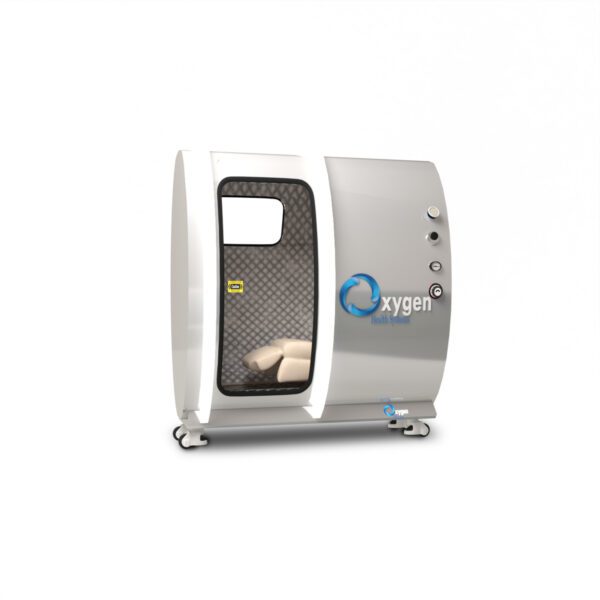
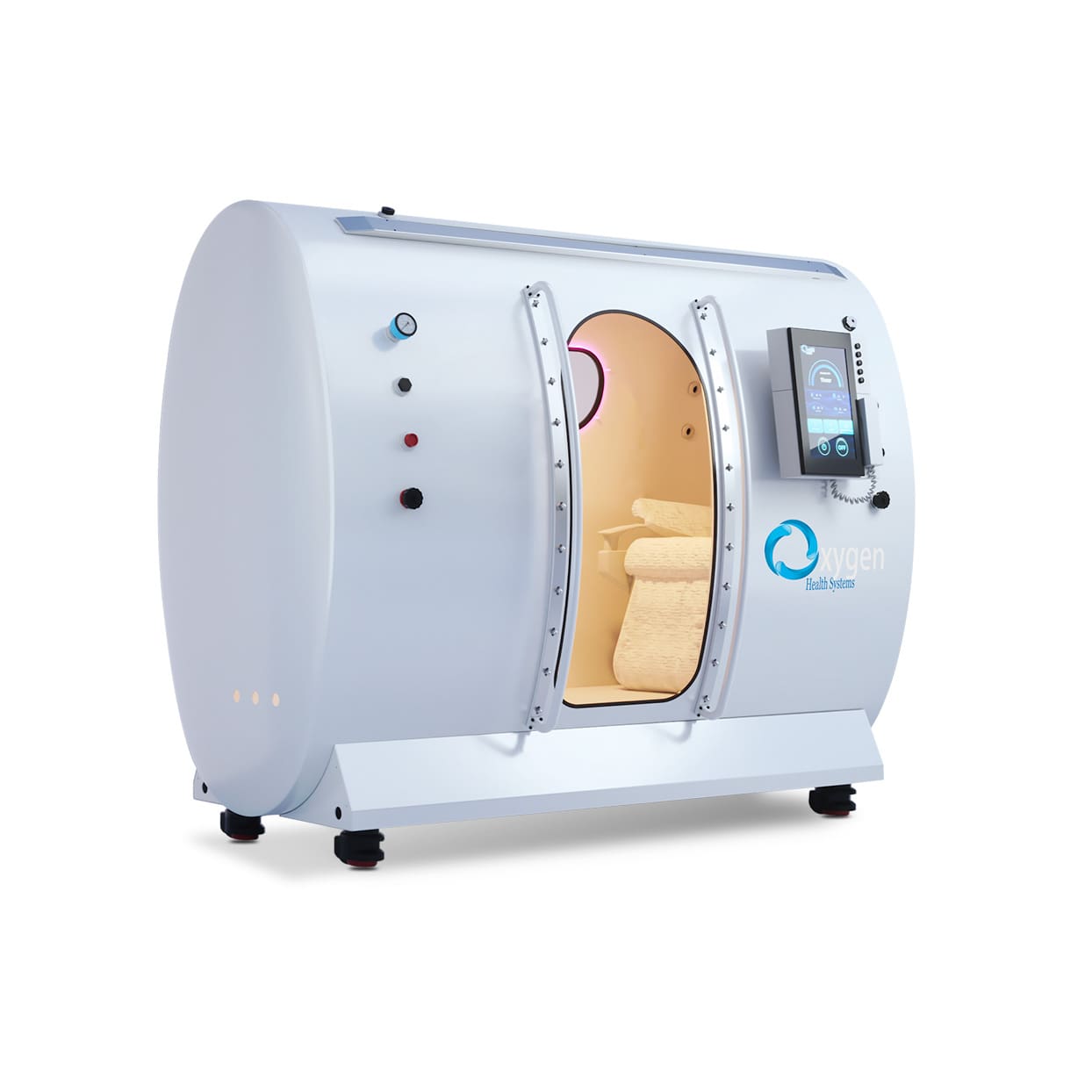

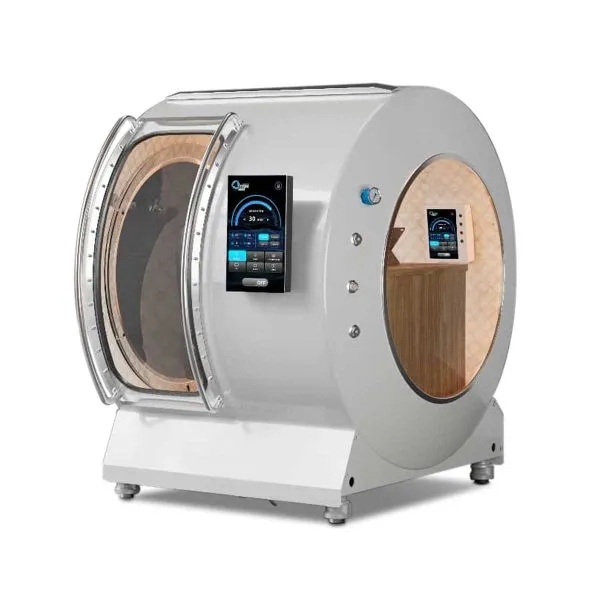
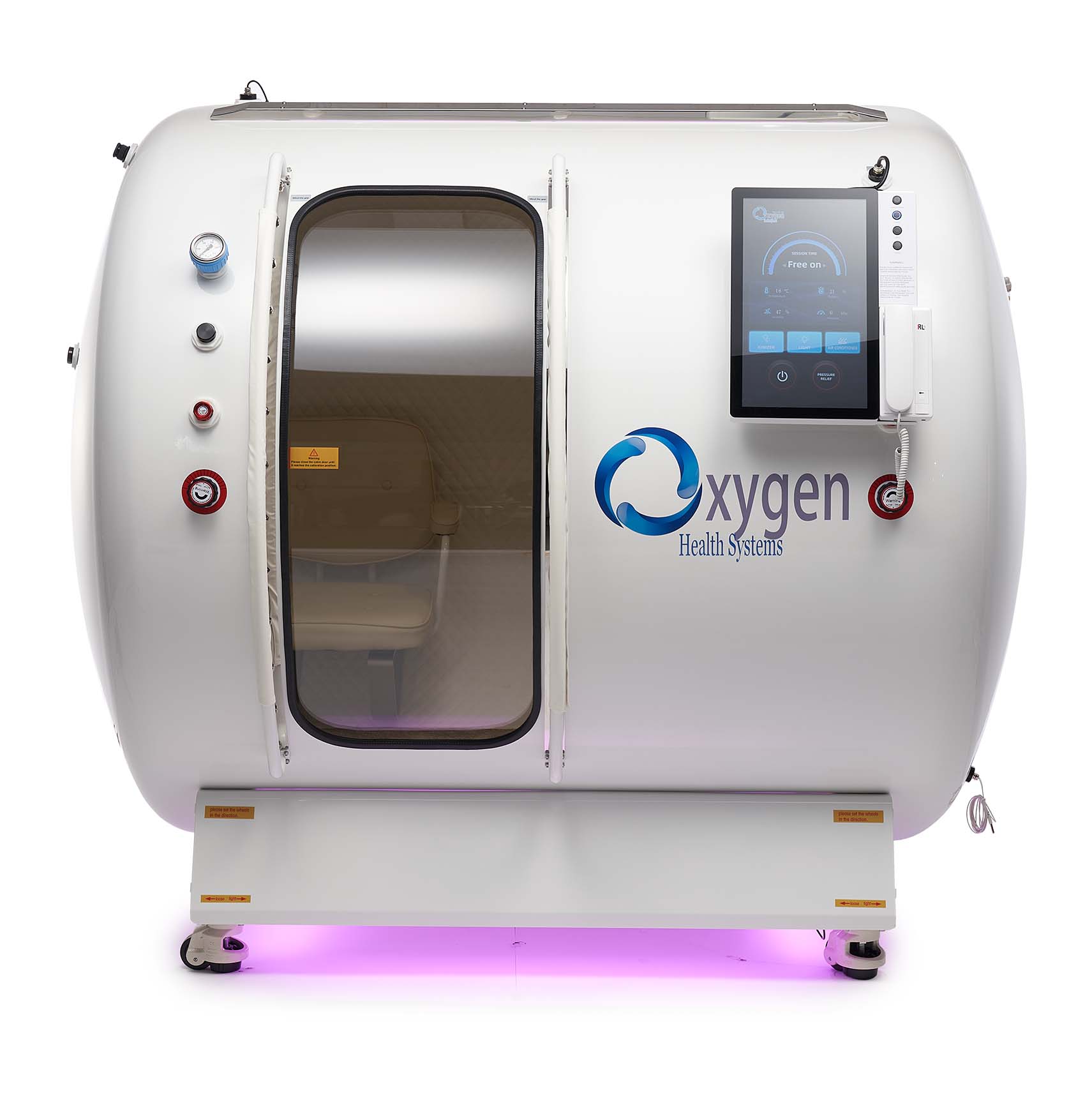

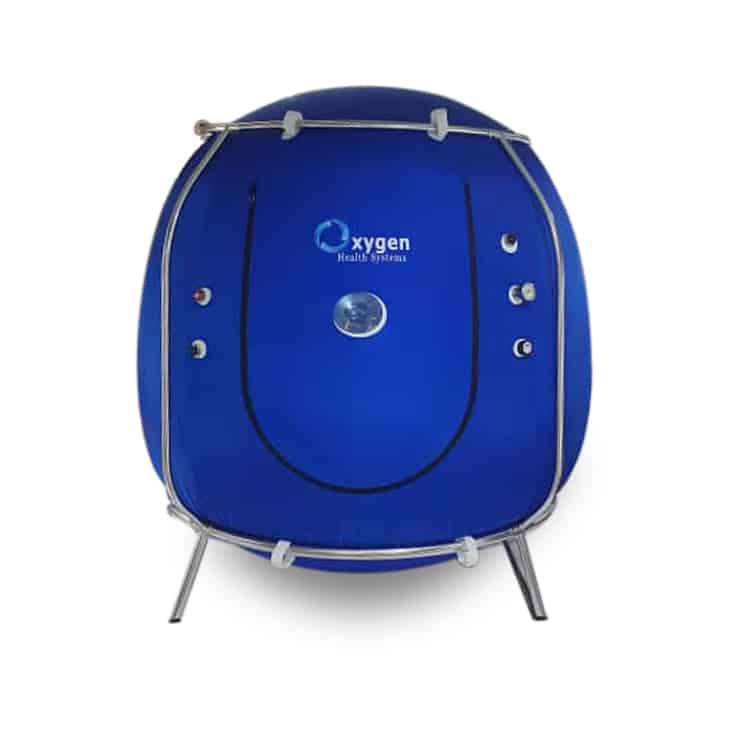

Buying a hyperbaric chamber is a major equipment decision, whether the goal is home use, a professional wellness setting, or a larger facility. Choosing the Right HBOT Chamber starts with understanding how chamber construction, operating pressure, interior space, access, controls, oxygen delivery, ventilation, maintenance, and installation requirements differ from one model to another.
<< Get the Latest Price >>
The best choice is not automatically the largest, most powerful, or most expensive chamber. A model should fit the intended environment, the people who will operate it, the available floor space, the electrical setup, and the manufacturer’s documented operating procedures. Clear specifications and dependable support matter more than dramatic marketing language.
Choosing the Right HBOT Chamber Should Start With the Intended Setting and Use.
Choosing the Right HBOT Chamber becomes easier when buyers first define where the equipment will be installed and how it will be used. A home setting may prioritize compact dimensions, straightforward entry, quiet operation, and simple maintenance, while a commercial environment may place more emphasis on durability, workflow, staff access, and repeated daily use.
Measure the room before comparing models. Consider the chamber footprint, door swing or zipper access, clearance around the unit, nearby furniture, ventilation, electrical outlets, and the path required to bring the equipment into the building.
- Measure room width, length, ceiling height, doors, hallways, and elevators.
- Confirm how much clearance the manufacturer requires around the chamber.
- Identify who will operate the unit and who will perform routine checks.
- Consider whether the chamber needs to be moved or will stay permanently installed.
- Keep emergency access and normal room circulation in mind.
Choosing the Right HBOT Chamber Requires Comparing Soft and Hard Chamber Construction.
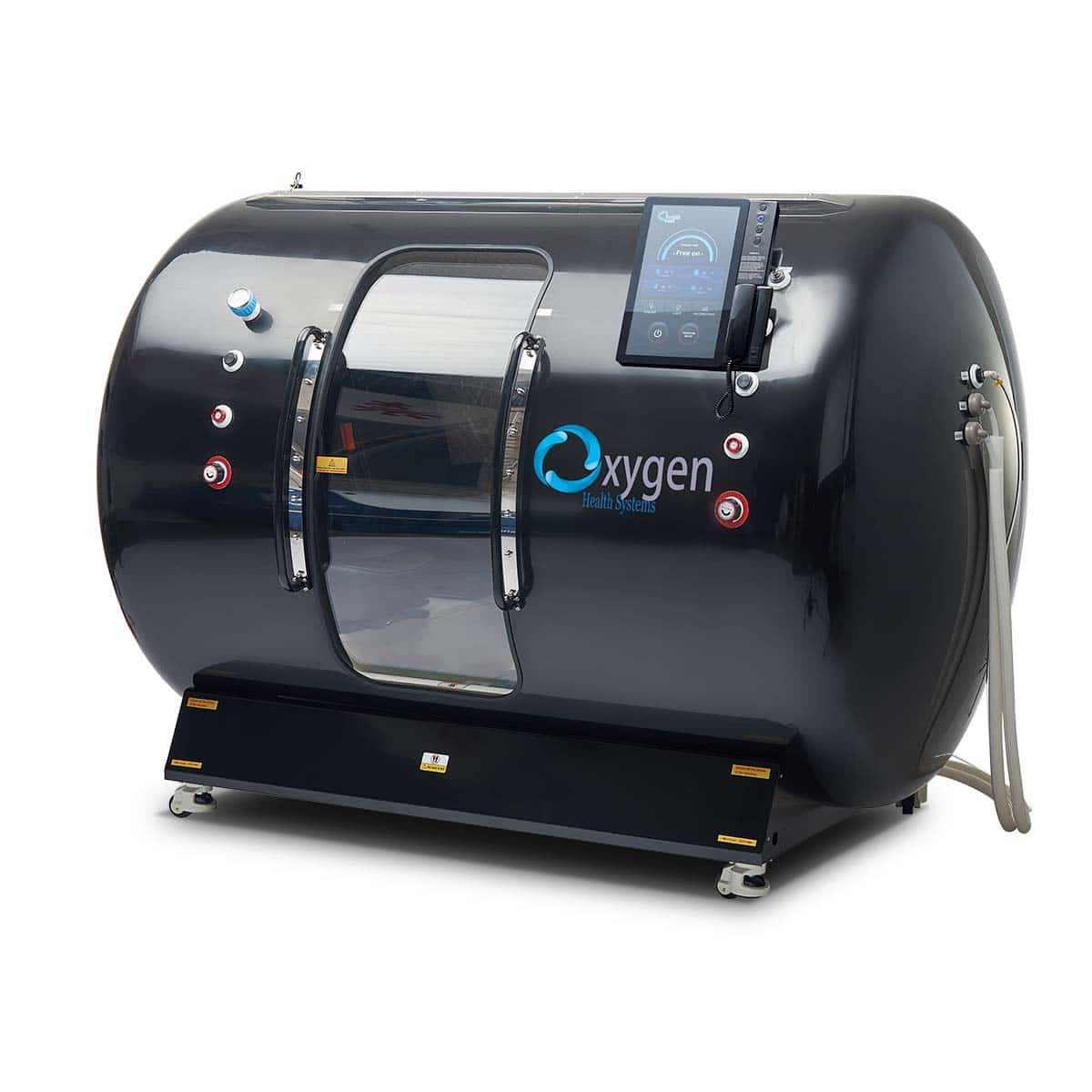
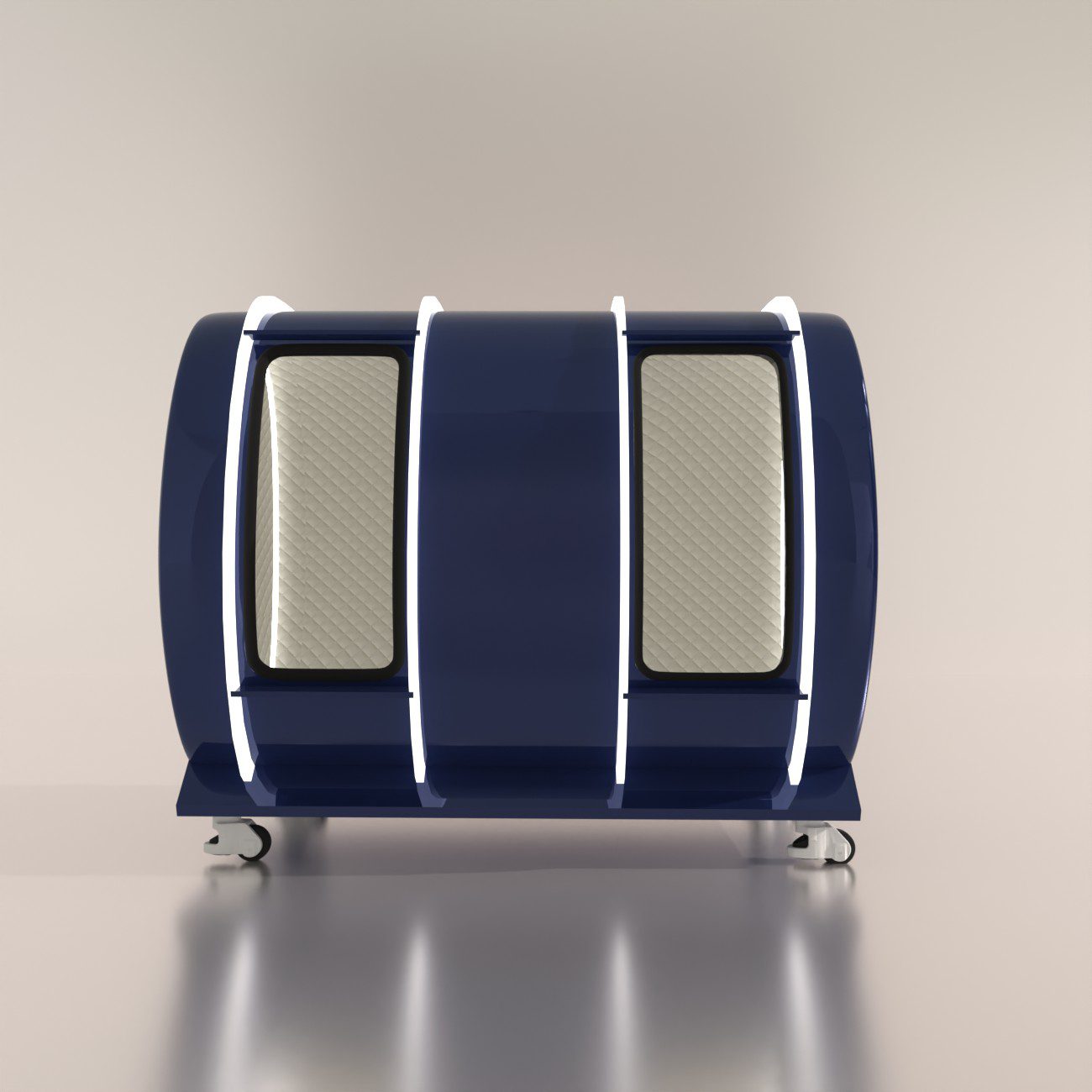
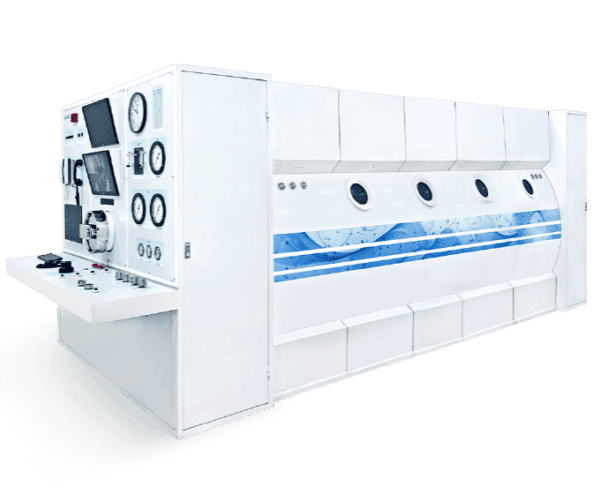
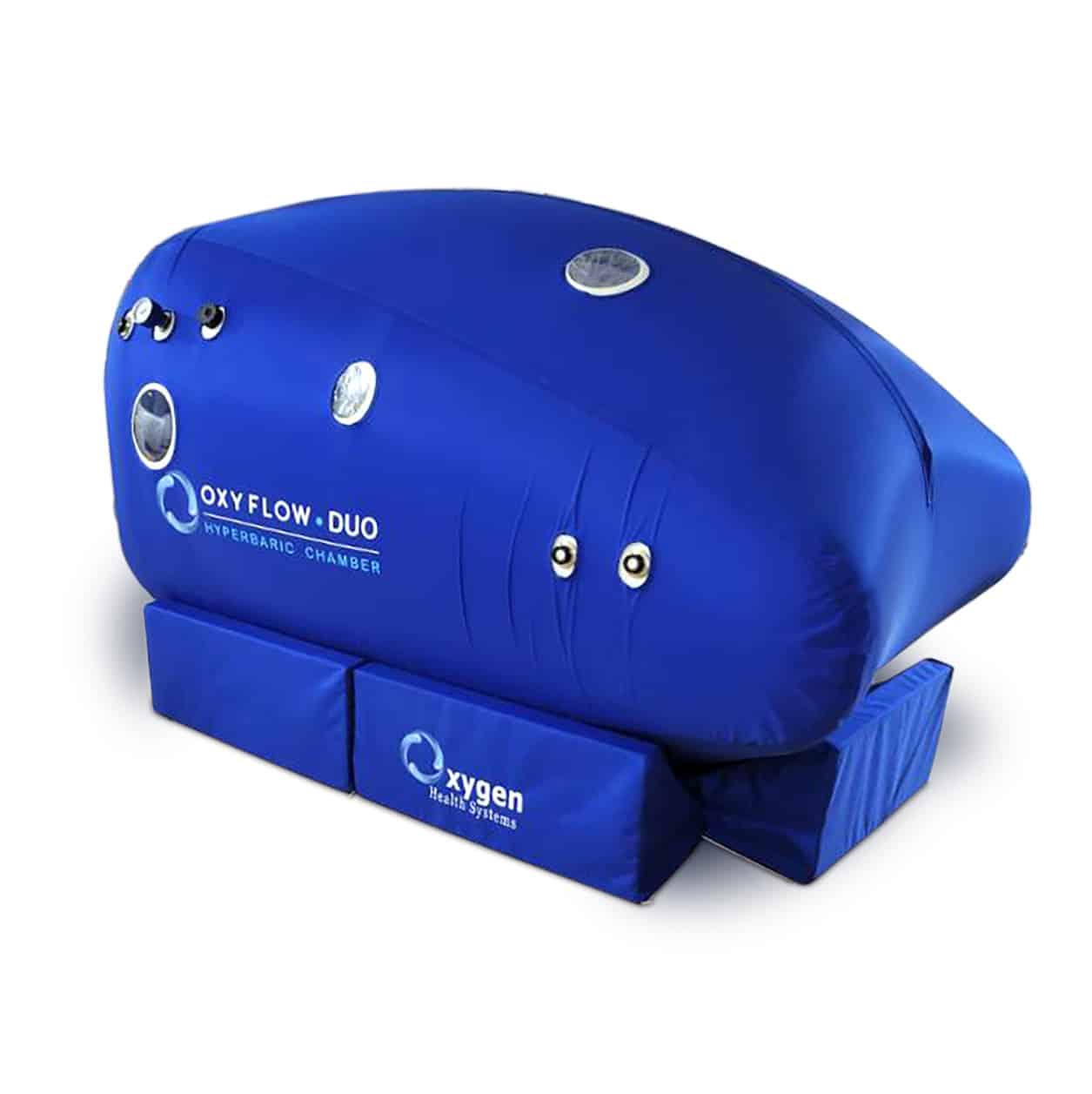
Choosing the Right HBOT Chamber usually involves comparing different chamber styles rather than treating all hyperbaric equipment as one category. Flexible chambers use reinforced fabric-based structures, while hard chambers use rigid shells made from materials designed for pressurized operation.
Construction affects appearance, weight, entry design, interior feel, installation needs, and maintenance. A soft chamber may be easier to position in some environments, while a hard chamber may offer a more rigid enclosure and different window, door, and control configurations.
Do not choose based on appearance alone. Review the manufacturer’s operating documentation, pressure specifications, material information, service requirements, and installation instructions for the exact model.
Choosing the Right HBOT Chamber Means Understanding Pressure Ratings Before Comparing Models.
Choosing the Right HBOT Chamber requires knowing the maximum operating pressure stated by the manufacturer and the normal range the unit is designed to use. Pressure ratings should never be interpreted as a recommendation to operate at the highest available setting simply because a higher number appears more advanced.
The appropriate operating procedure depends on the chamber, its intended use, and qualified guidance. Buyers should confirm how pressure is displayed, adjusted, released, and monitored during normal operation.
It is also useful to ask whether the controls show pressure clearly in familiar units and whether the manual explains normal pressurization and depressurization procedures in plain language.
Choosing the Right HBOT Chamber Should Include Interior Size, Entry, and Comfort.
Choosing the Right HBOT Chamber should account for more than external dimensions. Interior width, height, usable length, seating position, mattress space, windows, lighting, and entry style can strongly affect how comfortable the chamber feels during a session.
Some chambers are designed mainly for reclining, while others may support seated or upright configurations. Larger interiors can feel more open but require more room and may introduce different installation needs.
Consider who will enter the chamber. Door height, zipper position, steps, thresholds, and handles can matter for older adults, taller users, or anyone who finds low entry points difficult. Accessibility should be evaluated before purchase, not after installation.
Choosing the Right HBOT Chamber Should Include a Clear Review of Oxygen Delivery.
Choosing the Right HBOT Chamber also means understanding how oxygen is supplied and what equipment is required alongside the chamber. Some systems may use an oxygen concentrator with a mask or hood arrangement, while other configurations may be designed differently.
Ask the supplier to explain which accessories are included, which are optional, and which must be purchased separately. The equipment list should clearly identify hoses, masks, connectors, compressors, concentrators, cooling equipment, and any required filters.
Follow the manufacturer’s instructions for oxygen-related equipment and keep ignition sources, smoking materials, and unapproved electrical devices away from the chamber environment. The setup should be treated as specialized equipment, not as ordinary furniture.
Choosing the Right HBOT Chamber Requires Controls That Are Easy to Understand.
Choosing the Right HBOT Chamber includes evaluating both internal and external controls. Pressure indicators, communication features, timers, air controls, release valves, temperature management, and emergency procedures should be clearly documented and easy for the operator to identify.
A complicated control panel is not automatically better. Clear labeling, readable displays, simple operating sequences, and accessible manuals can reduce confusion during routine use.
If the chamber includes internal controls, confirm which functions the occupant can adjust and which remain under external operator control. Buyers should also ask what happens during a power interruption and how normal depressurization is handled.
Choosing the Right HBOT Chamber Should Account for Room Ventilation, Power, and Temperature.
Choosing the Right HBOT Chamber is partly a room-planning task. Compressors, concentrators, cooling systems, and other components can generate heat and noise, so the surrounding environment should be able to support the complete system rather than only the chamber shell.
Confirm electrical requirements before delivery. Some installations may need dedicated circuits or specific outlet arrangements, while others can operate with more common setups. Never assume that an available wall outlet is suitable without checking the manufacturer’s specifications.
Room ventilation and temperature also affect comfort. A chamber placed in a small, poorly ventilated room may feel very different from the same unit in a larger climate-controlled space.
Choosing the Right HBOT Chamber Should Include Maintenance and Cleaning Requirements.
Choosing the Right HBOT Chamber means thinking about the months and years after installation. Ask how the shell, windows, mattress, hoses, valves, filters, zippers, seals, and accessories should be cleaned and inspected.
Routine maintenance should be documented in writing. Buyers should know which tasks can be performed by the owner, which require trained service personnel, and how often key components need inspection or replacement.
- Ask for the maintenance schedule before purchasing.
- Confirm which cleaning products are approved for chamber surfaces.
- Identify replaceable filters, seals, hoses, and other wear components.
- Ask how service requests and replacement parts are handled.
- Keep operating and maintenance records organized after installation.
Choosing the Right HBOT Chamber Requires Careful Review of the Supplier and Documentation.
Choosing the Right HBOT Chamber is also about choosing who will support the equipment. A useful supplier should be able to provide clear model specifications, installation requirements, operating documentation, warranty information, parts availability, and a reliable method for technical support.
Ask specific questions instead of accepting broad statements such as “commercial grade” or “professional quality.” Request written answers about operating pressure, materials, dimensions, included accessories, electrical requirements, service procedures, and warranty coverage.
Buyers should also understand who manufactured the chamber and who is responsible for service after the sale. A reseller may provide good support, but the responsibilities of the seller, manufacturer, installer, and service provider should be clear.
Choosing the Right HBOT Chamber Should Include Installation Planning Before Delivery.
Choosing the Right HBOT Chamber should happen alongside a delivery and installation plan. Large rigid chambers may require careful doorway measurements, freight arrangements, lifting equipment, or assembly inside the destination room.
Soft chambers can also require planning because compressors, frames, mattresses, hoses, and accessory equipment take additional space. Confirm the complete shipping dimensions rather than measuring only the assembled chamber.
- Measure the delivery route from the building entrance to the final room.
- Confirm floor and room requirements for the complete system.
- Prepare electrical and ventilation needs in advance.
- Schedule installation or assembly with qualified personnel when required.
- Complete an operational check before routine use begins.
Choosing the Right HBOT Chamber Should Avoid Common Buying Mistakes.
Choosing the Right HBOT Chamber becomes harder when buyers focus on a single specification. Maximum pressure, chamber diameter, price, or the number of included accessories should not be considered in isolation.
A low purchase price may become less attractive if replacement parts are difficult to obtain, shipping is expensive, or service support is unclear. Likewise, a premium model may include features that are unnecessary for the intended environment.
Another mistake is buying before checking the room. A chamber that looks compact in a product photograph may require substantial extra space for doors, compressors, hoses, controls, and maintenance access.
- Do not buy solely because one model advertises a higher pressure number.
- Do not ignore delivery-route measurements.
- Do not assume every accessory shown in photos is included.
- Do not overlook ongoing maintenance and replacement-part costs.
- Do not rely on vague wellness claims instead of equipment specifications.
- Do not operate the chamber outside documented procedures.
Choosing the Right HBOT Chamber Works Best With a Complete Buyer Checklist.
A confident purchase comes from comparing the complete system rather than chasing one impressive feature. Review chamber type, rated pressure, interior dimensions, entry design, oxygen equipment, controls, room requirements, noise, temperature management, maintenance, warranty, training, and service support side by side.
Ask for documentation before paying a deposit, and keep copies of specifications, installation requirements, manuals, warranty terms, and supplier contacts. If any important operating detail is unclear, resolve it before delivery rather than trying to interpret it after the chamber is installed.
The strongest purchasing decision is the one that fits the intended environment, available space, operating procedures, and long-term ownership needs. Careful comparison helps buyers choose equipment based on measurable features and practical support instead of pressure claims, oversized feature lists, or promises of guaranteed outcomes.



0 Comments