
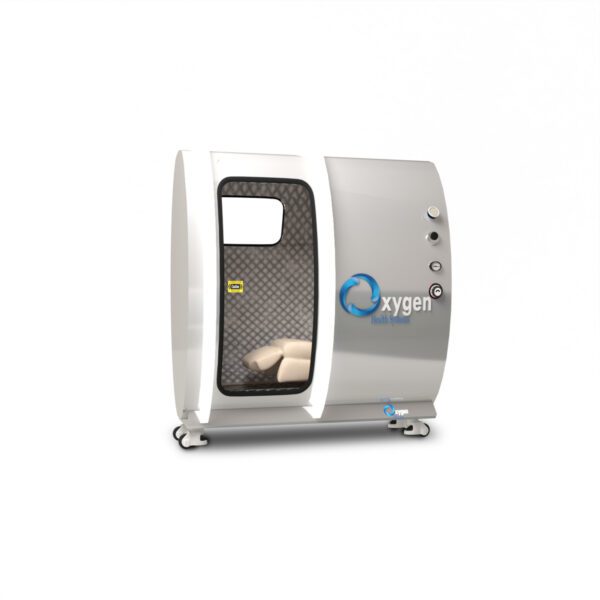
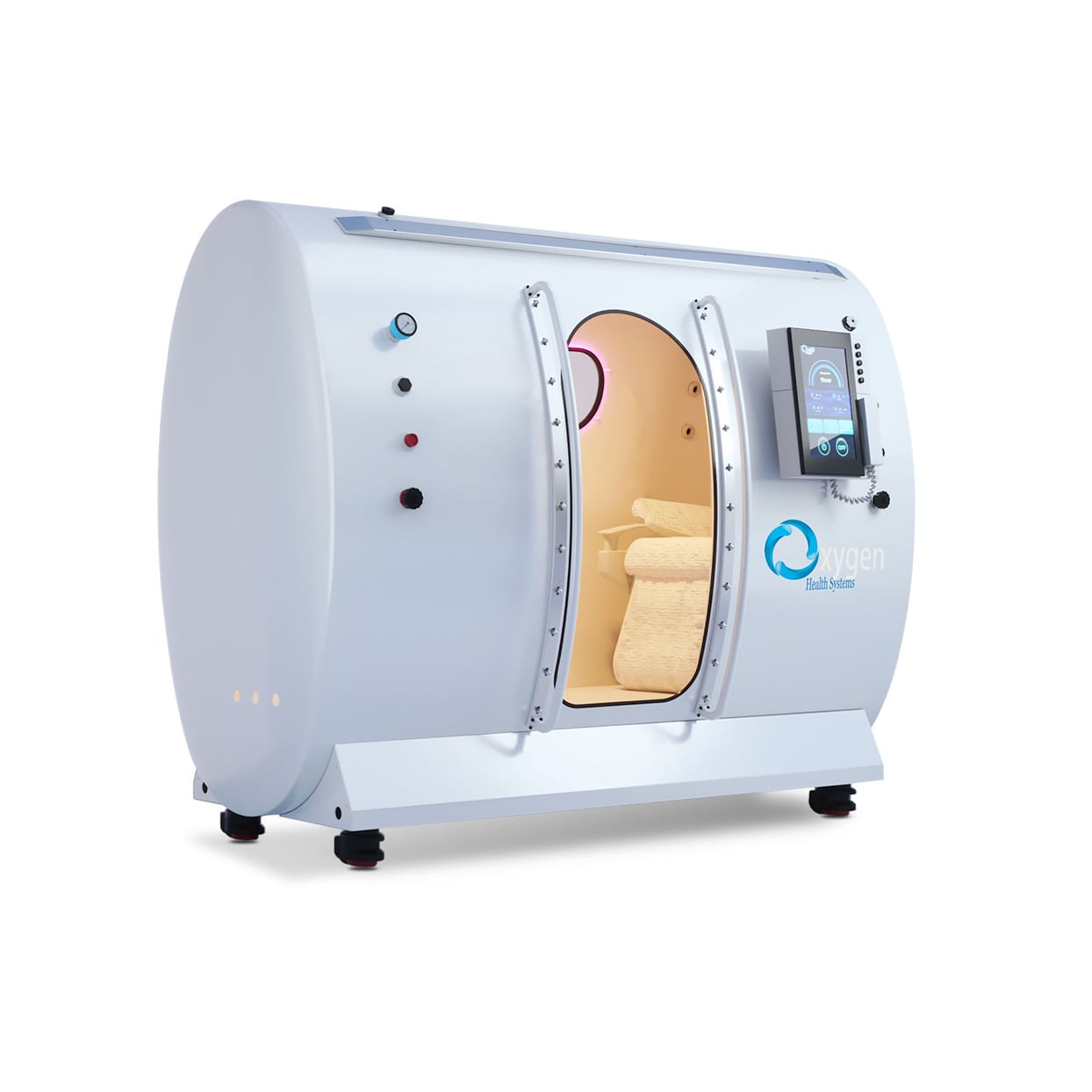

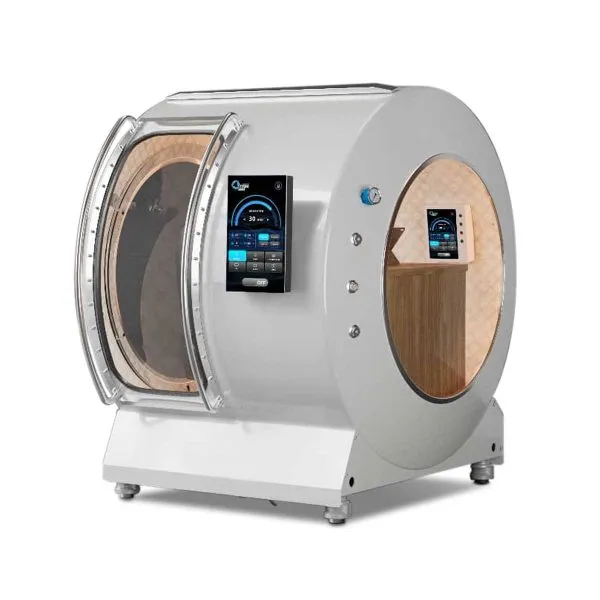
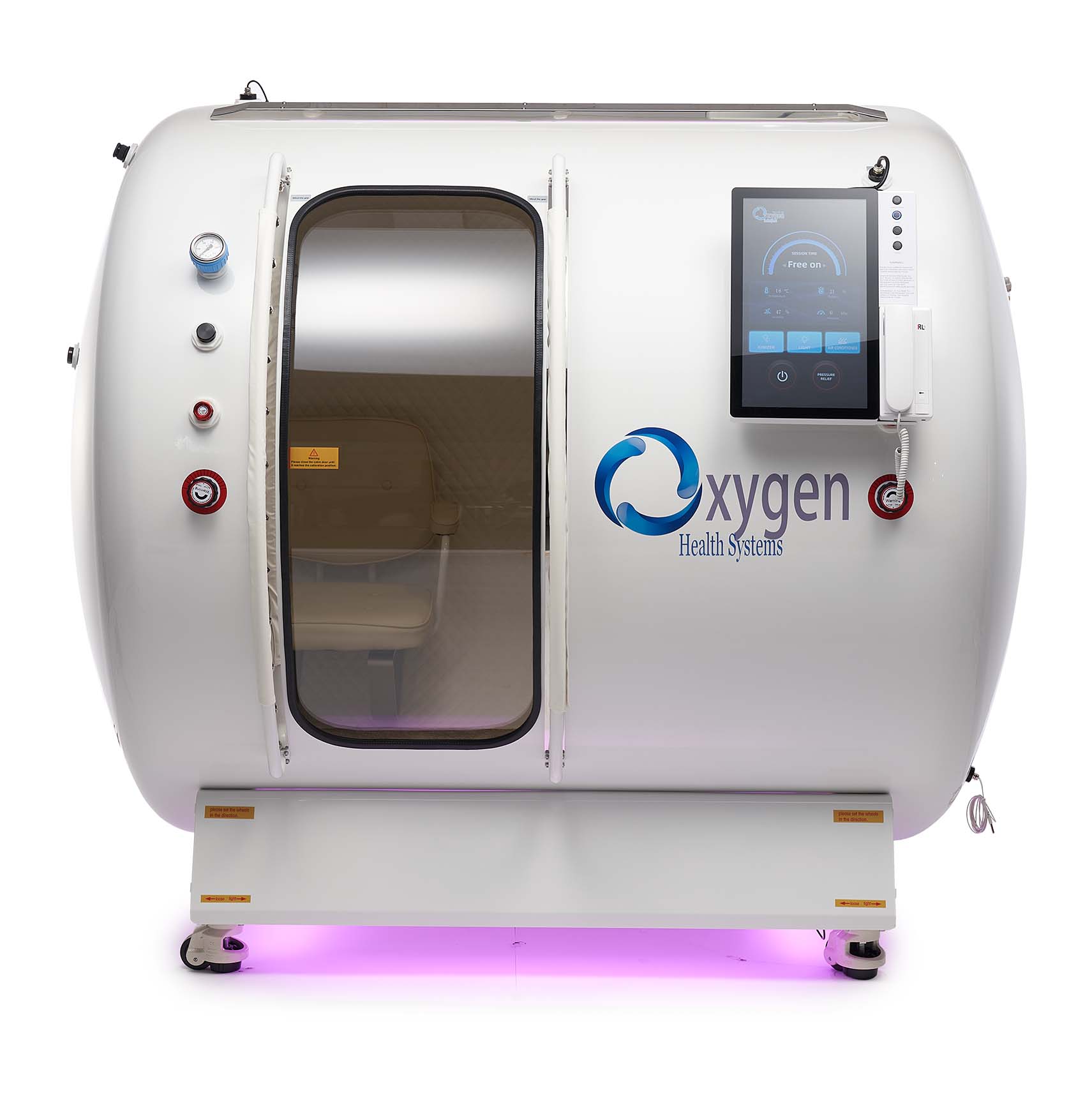



Hyperbaric Oxygen Therapy (HBOT) has surged in popularity as a powerful modality for accelerating recovery, enhancing cognitive function, and supporting overall wellness. By breathing oxygen in a pressurized environment, the body can absorb this vital element into the blood plasma, bypassing restricted circulation and delivering energy to hypoxic tissues. However, like any potent therapeutic intervention, it requires a strict adherence to safety protocols to ensure that the benefits are realized without adverse effects. Understanding Hyperbaric Therapy Safety Guidelines is the first and most critical step for any patient or wellness enthusiast considering this treatment, particularly those with pre-existing medical conditions.
>>> Add to Basket <<<
While mild hyperbaric therapy used in home settings is generally considered very safe, the physics of changing atmospheric pressure affects the body in profound ways. It alters gas volume in air-filled spaces like the ears, sinuses, and lungs, and it changes how the heart pumps blood. For the vast majority of users, these changes are therapeutic. However, for individuals with specific cardiovascular or pulmonary issues, these physiological shifts require careful management. This guide explores the essential regulations and protocols that protect patients, focusing on contraindications, preparation, and the best practices for a secure session.
Hyperbaric Therapy Safety Guidelines regarding cardiovascular health and heart failure
The heart is the engine of the body, and it works harder under pressure—literally. One of the primary physiological effects of hyperbaric oxygen is vasoconstriction, a narrowing of the blood vessels. While this helps reduce edema and swelling, it can also increase the afterload on the heart, meaning the heart has to pump against slightly higher resistance. Hyperbaric Therapy Safety Guidelines dictate that patients with uncontrolled heart failure or a significantly reduced ejection fraction (the percentage of blood leaving the heart each time it contracts) must proceed with extreme caution or avoid the therapy until stabilized.
For patients with congestive heart failure, the concern is that the fluid shift caused by pressure changes could potentially overload the heart, leading to pulmonary edema. Therefore, standard protocols recommend a thorough cardiac evaluation before starting high-pressure clinical HBOT. In mild hyperbaric settings (1.3 ATA), the risks are significantly lower, but the principle of caution remains. Monitoring blood pressure and heart rate before and after sessions ensures that the cardiovascular system is responding appropriately to the environmental stressor, turning the session into a beneficial workout for the vascular system rather than a strain.
Hyperbaric Therapy Safety Guidelines concerning untreated pneumothorax risks
When discussing the lungs, there is one absolute contraindication that every practitioner checks for first: an untreated pneumothorax, or collapsed lung. The physics of Boyle’s Law explains why. As pressure decreases during the end of a session (decompression), any trapped air in the chest cavity will expand. If a patient has a pneumothorax, this expanding air can cause tension, putting pressure on the heart and healthy lung. Hyperbaric Therapy Safety Guidelines state unequivocally that anyone with a suspected or confirmed pneumothorax must not enter a chamber until the condition is surgically resolved.
This is why medical history is so vital. Patients with a history of spontaneous lung collapse or thoracic surgery need to disclose this information immediately. Proper screening for these risks prevents barotrauma to the lungs. For most healthy individuals, the lungs equalize pressure naturally with breathing, but for those with compromised structural integrity in the chest, the chamber environment requires medical clearance to ensure that the pressure changes do not exacerbate existing vulnerabilities.
Hyperbaric Therapy Safety Guidelines addressing chronic obstructive pulmonary disease
Chronic Obstructive Pulmonary Disease (COPD) and emphysema present a different set of challenges. In these conditions, patients may retain carbon dioxide (CO2). There is a theoretical risk that high levels of oxygen could suppress the hypoxic drive—the body's signal to breathe. Hyperbaric Therapy Safety Guidelines for COPD patients involve careful monitoring of oxygen levels and respiration. While mild hyperbarics is often well-tolerated because the oxygen concentration is lower than hospital chambers, understanding the patient's CO2 retention status is key.
Furthermore, patients with bullous emphysema may have air pockets (bullae) in the lungs that can trap air. Adhering to safety protocols means ensuring slow decompression rates. If the pressure drops too fast, trapped air in a bulla could expand and rupture. Slow, controlled ascent allows the air to escape naturally through the airways. This attention to the speed of pressure change is a fundamental safety protocol that protects delicate lung tissue from mechanical stress.
Hyperbaric Therapy Safety Guidelines for preparing the body for pressurization
Beyond the heart and lungs, the most common issue users face is barotrauma to the ears. The middle ear is an air-filled space that must equalize with the changing pressure of the chamber. If it doesn't, the eardrum can stretch, causing pain or even rupture. Hyperbaric Therapy Safety Guidelines emphasize the importance of teaching patients equalization techniques—such as swallowing, yawning, or the Valsalva maneuver—before the door is even closed. If a patient has an active ear infection or severe sinus congestion that blocks the Eustachian tubes, they should not dive.
The protocol for pressurization should always be "comfort-driven." This means the rate of compression is dictated by the patient's ability to clear their ears, not a timer. Strict safety measures advise stopping the inflow of air immediately if the patient feels pain. The pressure should be held steady or slightly reduced until the ears clear. Pushing through pain is never acceptable practice in hyperbaric medicine; patience ensures that the ears remain healthy and the experience remains positive.
Hyperbaric Therapy Safety Guidelines minimizing fire hazards and static electricity
Oxygen is an accelerant for fire. While mild home chambers pressurized with ambient air carry a very low fire risk compared to hospital chambers filled with 100% oxygen, safety protocols are still maintained to build good habits. Hyperbaric Therapy Safety Guidelines generally prohibit lighters, matches, hand warmers, or battery-operated devices that could spark inside high-oxygen environments. In clinical monoplace chambers, these rules are absolute and strictly enforced.
Static electricity is another factor. Users are often advised to wear 100% cotton clothing rather than synthetic fabrics like nylon or polyester, which are prone to static discharge. Following these guidelines regarding attire prevents the minute risk of a spark. Additionally, avoiding oil-based lotions or petroleum jelly products prior to entering a high-oxygen environment is a standard precaution, as these substances can become flammable under high partial pressures of oxygen.
Hyperbaric Therapy Safety Guidelines monitoring oxygen toxicity symptoms effectively
Oxygen is a drug, and like any drug, the dose matters. Central Nervous System (CNS) oxygen toxicity is a rare but possible side effect, usually occurring only at high pressures (above 2.0 ATA) for extended periods. Symptoms can include visual disturbances, ringing in the ears, nausea, twitching, or irritability. Hyperbaric Therapy Safety Guidelines include "air breaks" during long clinical sessions, where the patient breathes normal air for a few minutes to lower oxygen saturation temporarily and reset the safety clock.
For home users operating at 1.3 ATA, the risk of oxygen toxicity is virtually non-existent because the pressure is not high enough to reach toxic thresholds for the CNS. However, adhering to recommended session times—typically 60 to 90 minutes—is still best practice. "More" is not always better. Respecting the physiological limits of the body ensures that the therapy remains antioxidative and regenerative rather than creating oxidative stress overload.
Hyperbaric Therapy Safety Guidelines differentiating between mild and clinical pressures
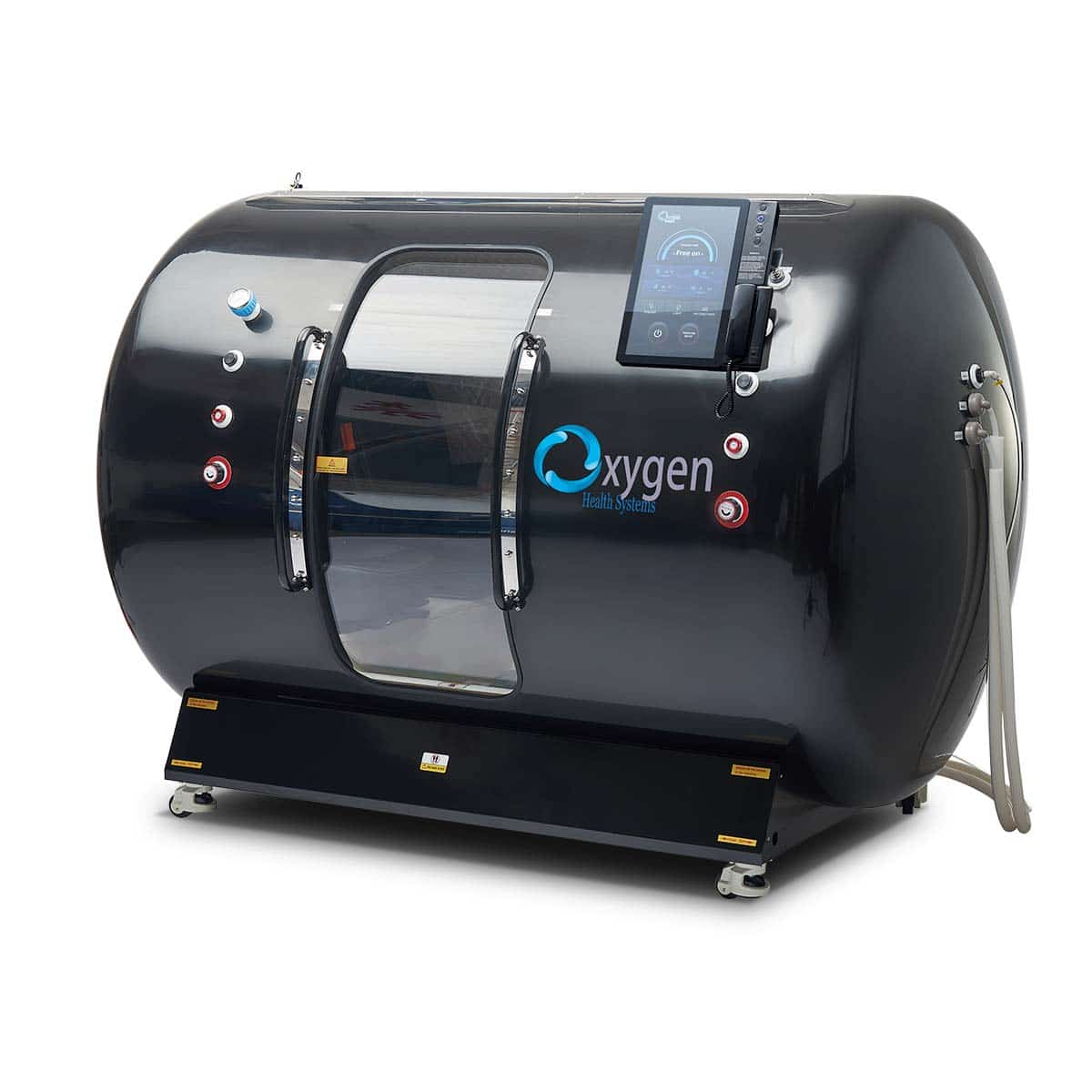
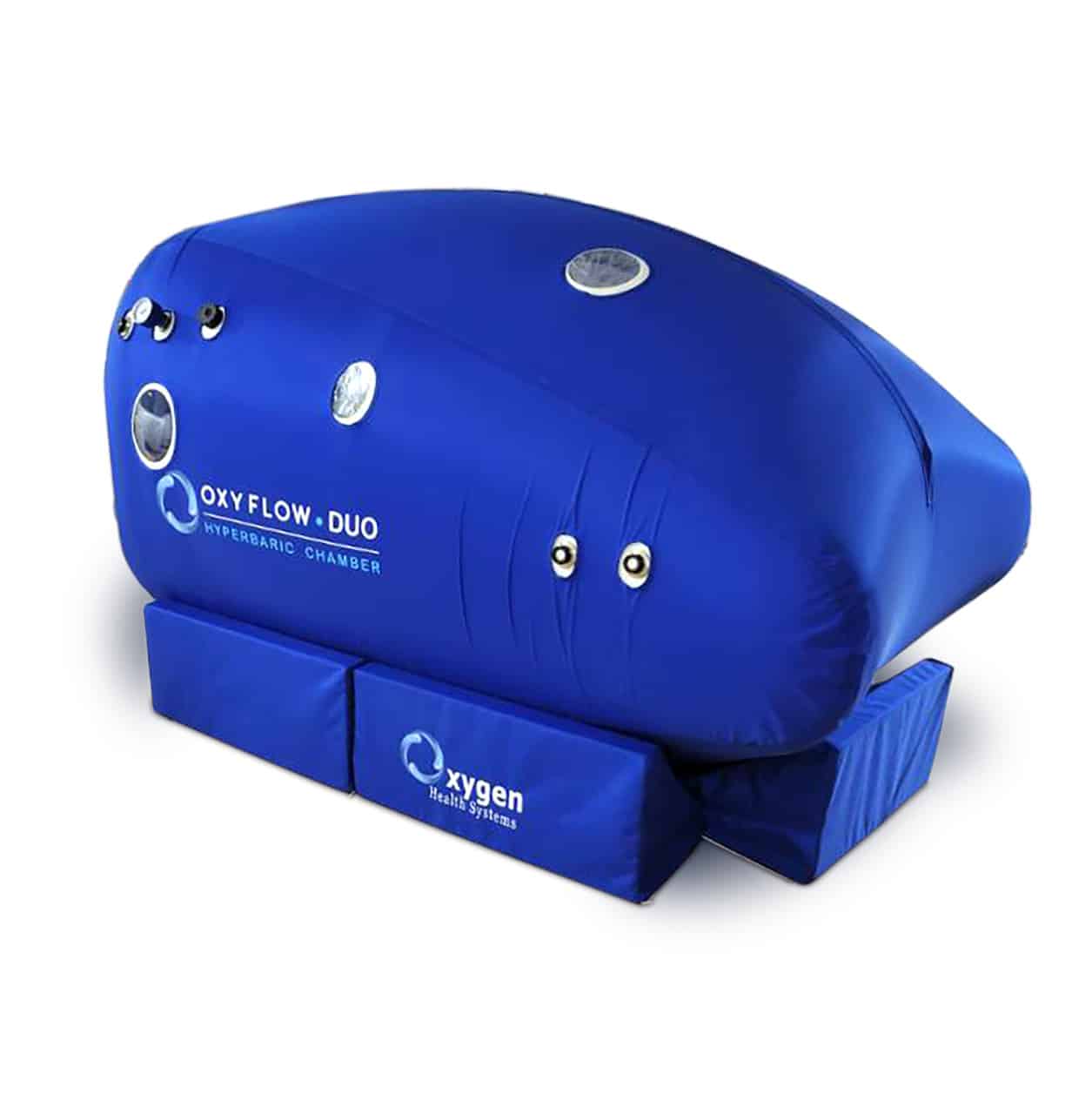
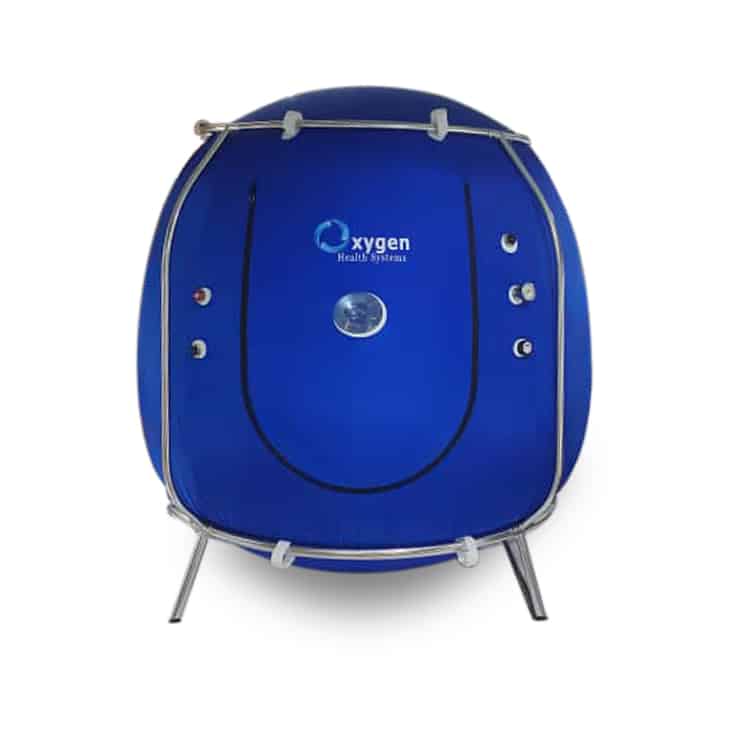
It is crucial to distinguish between the safety profiles of different chamber types. Hard-shell clinical chambers can reach pressures deep enough to cause decompression sickness if protocols are violated. Hyperbaric Therapy Safety Guidelines for these units are rigid and administered by certified technicians. Soft-shell chambers, capped at 1.3 ATA, are inherently safer because they cannot reach pressures that would cause significant nitrogen loading in the tissues.
Despite the lower risk of soft chambers, users must still respect the physics. Sudden depressurization in a soft chamber (zipper failure) can cause rapid cooling and fogging, which can be startling. Following strict protocols for equipment maintenance—keeping zippers lubricated, checking relief valves, and inspecting the integrity of the shell—is the owner's responsibility. A well-maintained chamber is a safe chamber, regardless of the pressure level.
Hyperbaric Therapy Safety Guidelines specifically for diabetic patients and blood sugar
Hyperbaric therapy has a profound effect on metabolism. It increases insulin sensitivity, which can cause blood sugar levels to drop during a session. Hyperbaric Therapy Safety Guidelines for diabetic patients mandate checking blood glucose levels immediately before entering the chamber. If levels are too low (typically below 100-120 mg/dL), the patient should consume a snack to prevent hypoglycemia while under pressure.
The sensation of hypoglycemia (shaking, sweating, confusion) can be difficult to manage inside a sealed vessel. Therefore, preventative eating is key. Following these guidelines ensures that the metabolic boost provided by the oxygen does not result in a dangerous drop in glucose. Technicians or home users should always have a source of fast-acting glucose, like juice or glucose tablets, available immediately upon exiting the chamber.
Hyperbaric Therapy Safety Guidelines regarding medication interactions
Oxygen under pressure can interact with certain medications, potentiating their effects or causing toxicity. One of the most critical Hyperbaric Therapy Safety Guidelines involves reviewing a patient's drug list. Specifically, the chemotherapy drugs Doxorubicin (Adriamycin) and Cisplatin are often considered absolute contraindications due to increased risk of cardiac and hearing toxicity, respectively. Disulfiram (Antabuse), used for alcohol cessation, blocks the production of superoxide dismutase, a key antioxidant, making oxygen therapy potentially harmful.
Steroids and insulin also require monitoring. High-dose steroids can increase the risk of oxygen toxicity, while insulin sensitivity changes as mentioned above. A thorough review of all supplements and prescriptions is a mandatory step before beginning a hyperbaric protocol. This ensures that the chemical environment of the body is compatible with high-dose oxygen.
Hyperbaric Therapy Safety Guidelines for pregnancy and fertility
The safety of hyperbaric oxygen during pregnancy is a nuanced topic. While oxygen is essential for fetal development, the effects of high pressure on the fetus are not fully understood. General Hyperbaric Therapy Safety Guidelines advise avoiding elective HBOT during pregnancy unless there is a life-threatening indication, such as carbon monoxide poisoning, where the benefit clearly outweighs the risk. The concern lies in potential oxidative stress or closure of the ductus arteriosus.
However, for fertility support, many clinics use HBOT prior to conception to improve egg quality and uterine lining health. Understanding the timing is crucial. Applying these safety protocols means stopping therapy once pregnancy is confirmed to take a precautionary approach. This respects the delicate developmental stages of the fetus while utilizing the therapy to prepare the body for a healthy pregnancy.
Hyperbaric Therapy Safety Guidelines regarding seizure thresholds
While oxygen toxicity seizures are rare, patients with a history of epilepsy or a low seizure threshold require special attention. Fever is a known factor that lowers the seizure threshold. Therefore, Hyperbaric Therapy Safety Guidelines often contraindicate treating patients with a high fever. Cooling the patient down before entering the chamber is a standard safety measure.
For patients with epilepsy, ensure that their condition is well-managed with medication before starting therapy. In some cases, a slightly lower pressure or shorter duration may be recommended to ensure safety. Having a protocol in place for managing a seizure inside the chamber—typically involving removing the oxygen mask and slowly decompressing—is a vital part of technician training and home safety planning.
Hyperbaric Therapy Safety Guidelines creating a post-session recovery protocol
The period immediately following a dive is part of the therapy. As the body re-acclimates to normal atmospheric pressure, some patients may feel lightheaded or tired—a detox-like reaction known as the Herxheimer effect. Hyperbaric Therapy Safety Guidelines recommend drinking significant amounts of water to help flush out metabolic waste products mobilized by the treatment. Avoiding alcohol or heavy exertion immediately after a session allows the body to integrate the benefits.
It is also important to monitor for changes in vision. Temporary myopia (nearsightedness) can occur after intensive daily protocols due to oxygen effects on the lens of the eye. This usually resolves on its own within weeks of stopping treatment, but patients should be advised against changing eyeglass prescriptions during a course of HBOT. Being aware of these transient side effects prevents unnecessary worry and ensures appropriate follow-up.
In conclusion, while the benefits of pressurized oxygen are vast, they are contingent upon a foundation of safety. By rigorously following Hyperbaric Therapy Safety Guidelines, patients with heart, lung, and metabolic conditions can navigate the risks and access the healing potential of this technology. Whether in a hospital or a home, respect for the physics of pressure and the biology of the body ensures that every breath taken under pressure contributes to a healthier, more resilient life.



0 Comments