


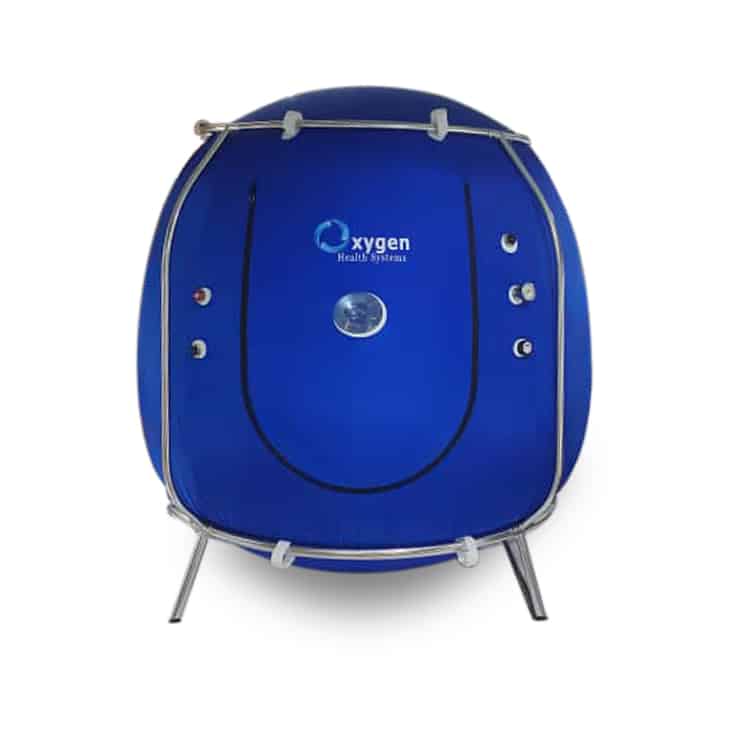

Soft vs Hard Shell Chambers

Navigating the world of hyperbaric oxygen therapy (HBOT) can be an overwhelming experience, especially when faced with the technical specifications of different equipment. The most fundamental decision a user must make is choosing between the two primary types of environments available. Understanding the differences between Soft vs. Hard Shell Chambers is critical for tailoring a wellness plan that meets specific physiological needs and lifestyle goals. While both modalities aim to increase the amount of oxygen in the body to support healing and energy production, the mechanics, pressure levels, and overall experiences differ significantly. This guide aims to demystify the technology, empowering you to make an informed choice for your health journey.
>>> Secure Your Purchase <<<
The popularity of mild hyperbarics has skyrocketed in recent years, largely due to the accessibility of portable units. This has brought the debate of Soft vs. Hard Shell Chambers to the forefront of the wellness conversation. On one side, you have the clinical gold standard: rigid, high-pressure units found in hospitals. On the other, you have the flexible, lower-pressure units often used in homes and spas. Each has a distinct place in the market, but they are not interchangeable. Knowing the nuances ensures that you do not invest time or money in a method that may not align with your intended outcomes.
For those seeking general wellness, stress relief, or mild recovery, the entry barriers are different than for those addressing complex physiological challenges. As we explore the specific features of Soft vs. Hard Shell Chambers, remember that the "best" option is always context-dependent. Factors such as claustrophobia, mobility, budget, and the guidance of a healthcare professional play massive roles. By dissecting the comparison of these two distinct technologies, we can clarify which vessel will best serve your path to revitalization.
Soft vs. Hard Shell Chambers Regarding Pressure Capabilities
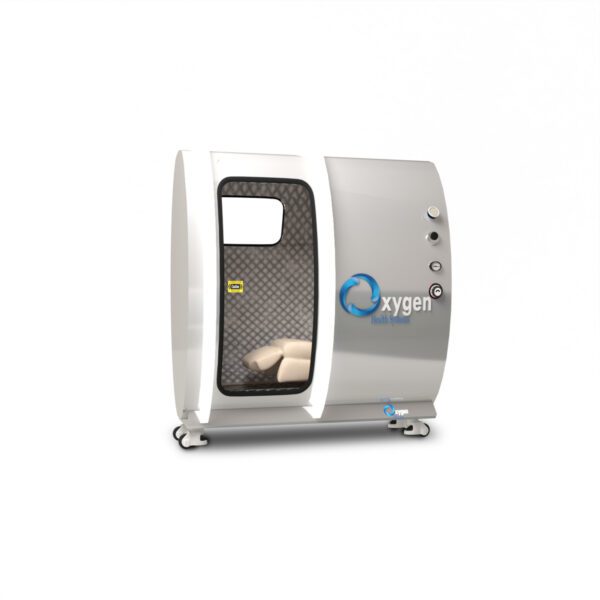
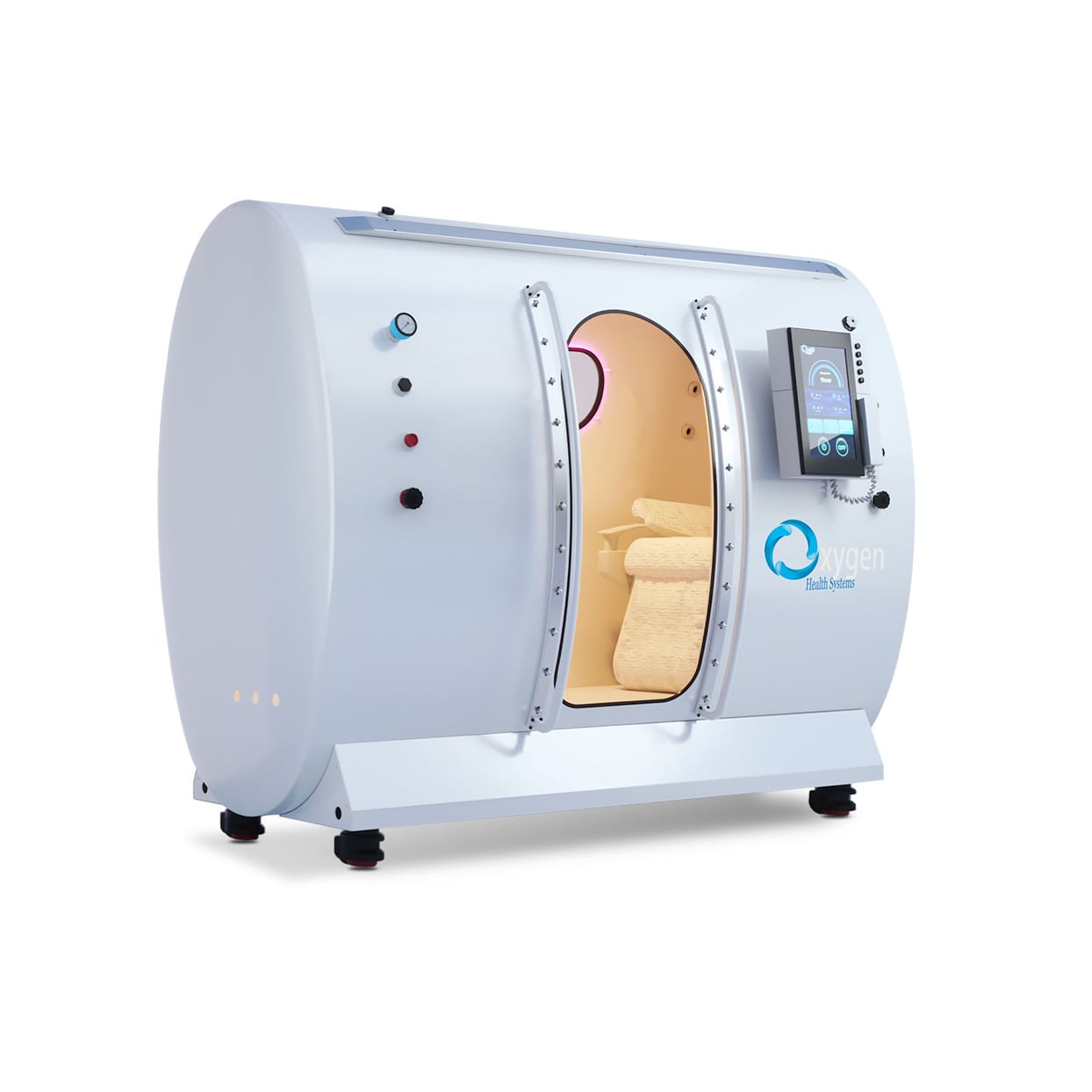
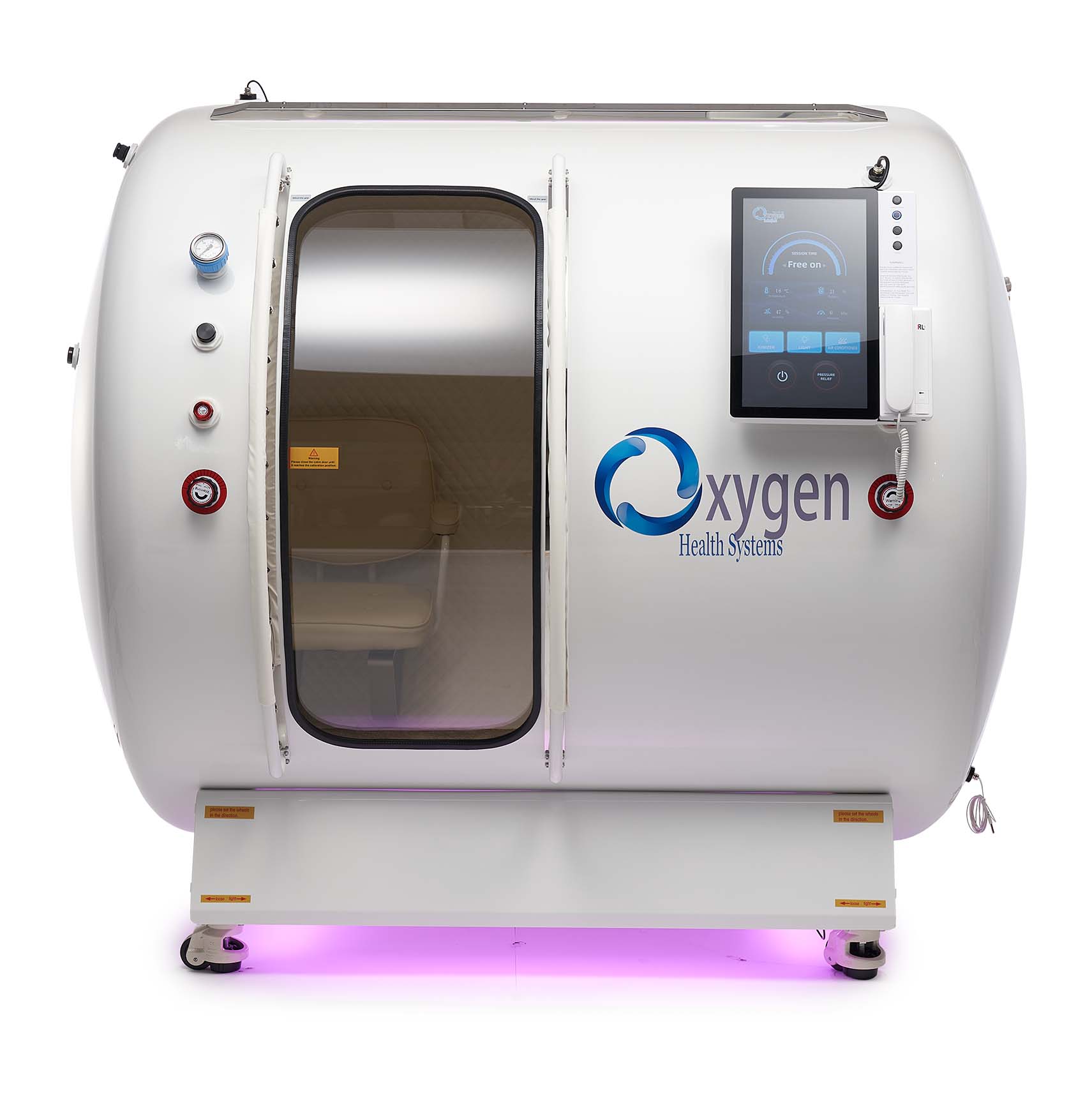
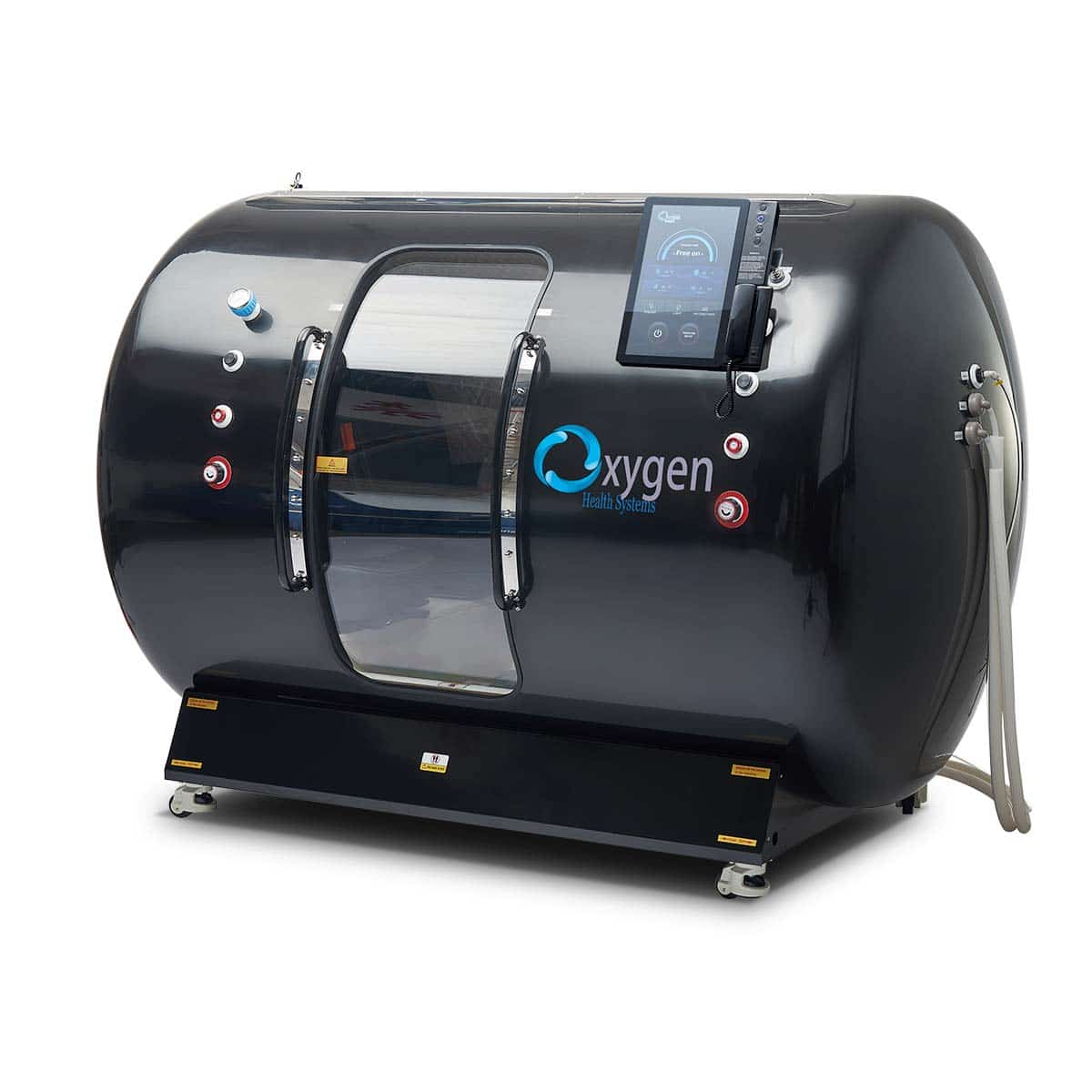
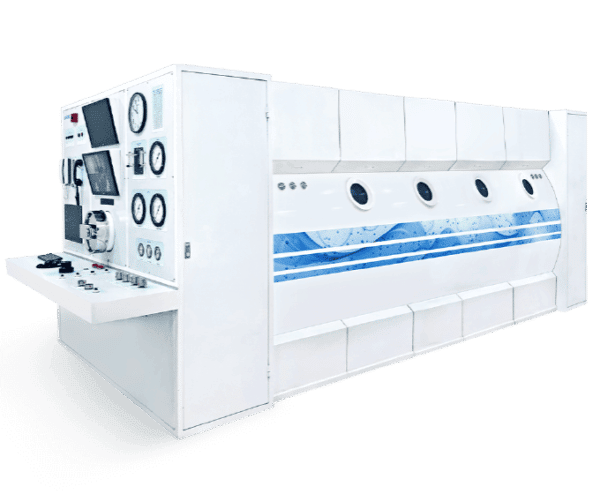
The most defining characteristic separating these two technologies is the atmospheric pressure they can withstand. When analyzing Soft vs. Hard Shell Chambers, the hard shell variety is the clear winner in terms of raw power. These units, typically constructed from steel, acrylic, or aluminum, can reach pressures of 2.0 ATA (Atmospheres Absolute) to 3.0 ATA. This high pressure is necessary for many hospital-grade indications, as it forces a significantly higher volume of oxygen into the blood plasma. In contrast, soft chambers are usually limited to 1.3 ATA, occasionally reaching 1.5 ATA.
This pressure differential is central to the discussion of efficacy. In the debate of Soft vs. Hard Shell Chambers, proponents of hard shells argue that deeper pressure is required to push oxygen into deep tissues and bone. The physics of Henry's Law dictates that gas solubility increases with pressure; therefore, a hard chamber at 2.4 ATA will dissolve exponentially more oxygen than a soft chamber at 1.3 ATA. However, not every condition requires such intensity. For many users focused on mild inflammation or cognitive clarity, the lower pressure profile found in soft units might be sufficient and more comfortable.
It is also important to note how pressure affects the ears. One of the practical considerations in the comparison of Soft vs. Hard Shell Chambers is the speed of pressurization. Hard chambers can change pressure rapidly, which might be difficult for some people to equalize. Soft chambers generally inflate and pressurize more slowly, offering a gentler descent that is often preferred by children or those with sensitive ears. This makes the choice not just about medical efficacy, but also about user tolerance and physical comfort during the "dive."
The Physics of Healing Henry's Law and Dalton's Law
To truly understand the divergence between these technologies, we must look at the physics governing them. Henry's Law states that the amount of gas dissolved in a liquid is proportional to its partial pressure. When comparing Soft vs. Hard Shell Chambers, the hard shell utilizes 100% oxygen at high pressure, creating a massive partial pressure gradient. This drives oxygen into the plasma, lymph, and cerebrospinal fluid at rates impossible to achieve at lower pressures. This mechanism is crucial for treating conditions like gangrene, radiation necrosis, or carbon monoxide poisoning where tissue oxygenation is critically compromised.
Soft chambers, operating at lower pressures and typically using ambient air (21% oxygen) or an oxygen concentrator (delivering roughly 90-95% oxygen via mask), rely on a more modest application of these laws. While they still increase blood oxygen saturation, they do not achieve the "super-saturation" levels of hard shells. Understanding this distinction in the context of Soft vs. Hard Shell Chambers helps explain why hard shells are medical devices used for acute conditions, while soft shells are often categorized as wellness devices for chronic, low-grade issues like fatigue or sports recovery.
Soft vs. Hard Shell Chambers Differences in Oxygen Delivery
Beyond pressure, the method of oxygen delivery varies drastically. When evaluating Soft vs. Hard Shell Chambers, it is crucial to understand that hard chambers are often pressurized with 100% pure oxygen. This means the entire environment inside the vessel is oxygen-rich. This setup maximizes saturation but carries a higher fire risk, requiring strict safety protocols (no electronics, specialized clothing). Soft chambers, conversely, are typically pressurized with ambient air, and the user breathes concentrated oxygen through a mask or cannula.
This distinction significantly alters the user experience. In the context of Soft vs. Hard Shell Chambers, the soft chamber environment is essentially "air," with the therapeutic oxygen coming solely from the concentrator. This allows for the use of electronics like tablets or phones inside the chamber, which is strictly prohibited in 100% oxygen hard shell environments. For many, this makes the 60 to 90-minute session fly by, turning the comparison into a choice between a disconnected medical procedure and a relaxing downtime activity.
However, the mask seal is vital in soft chambers. If the mask leaks, the effective oxygen percentage drops. In a hard chamber filled with 100% oxygen, no mask is needed (though sometimes used for breaks or air breaks to prevent toxicity), ensuring total immersion. Thus, regarding Soft vs. Hard Shell Chambers, the hard shell offers a more foolproof delivery system, whereas the soft shell relies on the user ensuring their equipment is fitted correctly to receive the benefit of the oxygen concentrator.
Soft vs. Hard Shell Chambers For Home Use and Portability
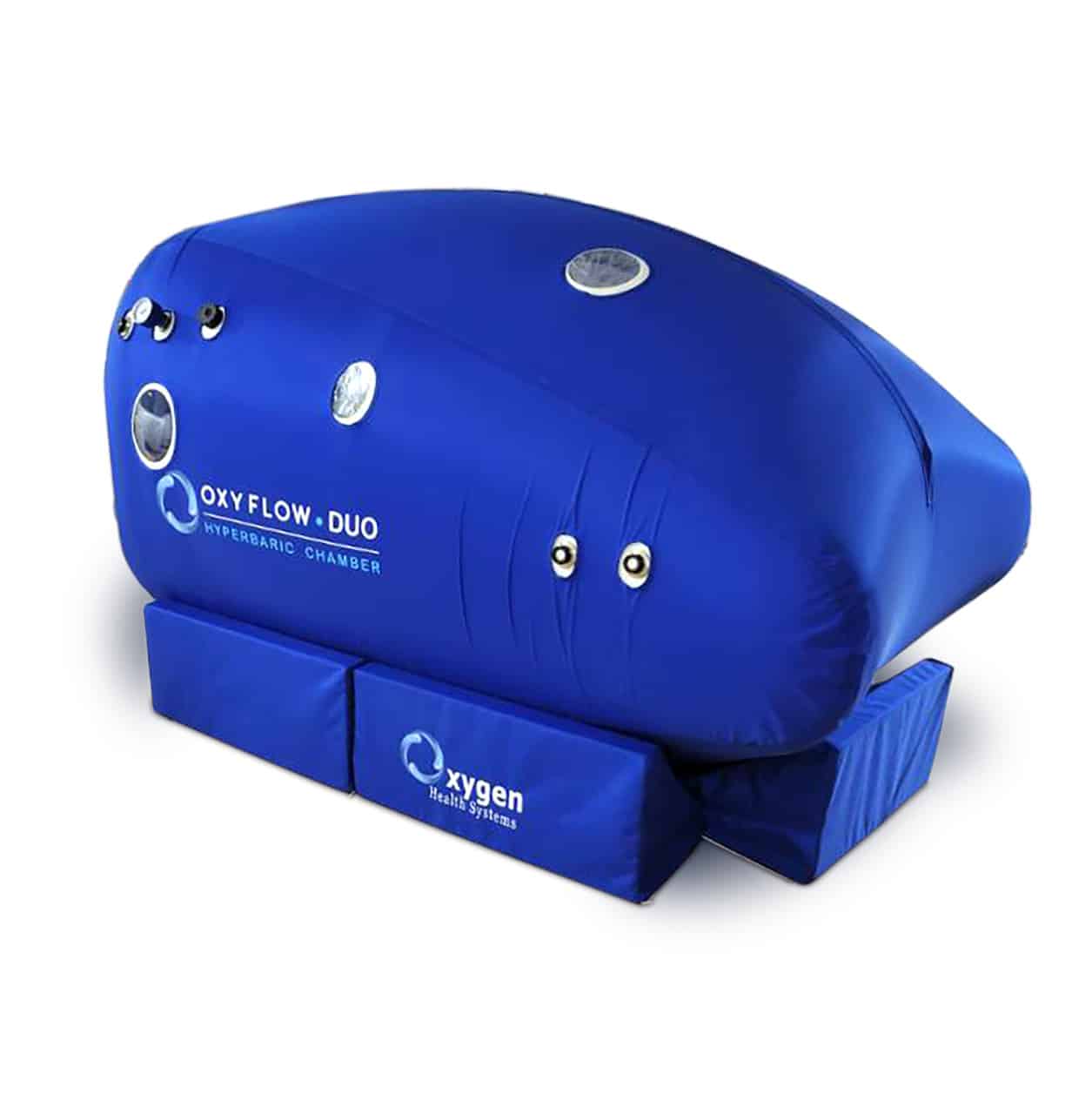
Accessibility is where soft chambers truly shine. The discussion of Soft vs. Hard Shell Chambers for home use is almost entirely dominated by soft shells. They are lightweight, collapsible, and can fit through standard doorways. A soft chamber can be set up in a spare bedroom or living area without requiring structural reinforcements to the floor. Hard chambers can weigh thousands of pounds and often require professional installation, specialized electrical outlets, and a large dedicated space.
For athletes or families who travel, the portability factor in the Soft vs. Hard Shell Chambers equation is decisive. Some soft chambers can be packed into duffel bags, allowing continuity of care on the road. This is simply impossible with a hard shell unit. This flexibility allows users to integrate mild hyperbarics into a daily routine with minimal disruption, whereas hard shell therapy usually requires commuting to a clinic, adhering to appointment slots, and paying per session.
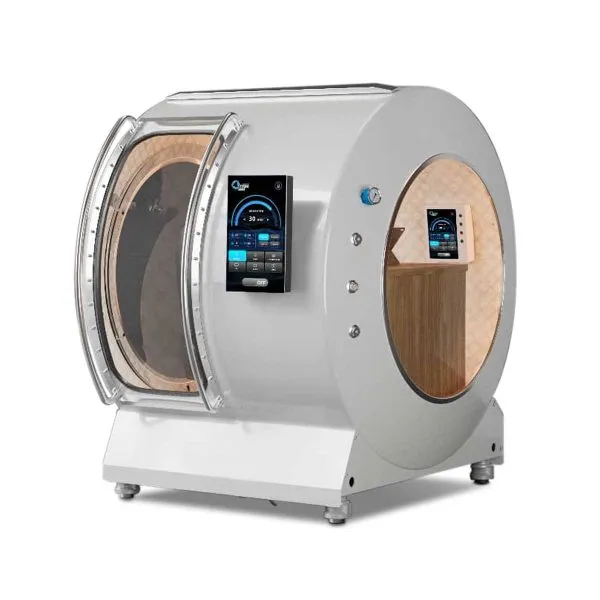
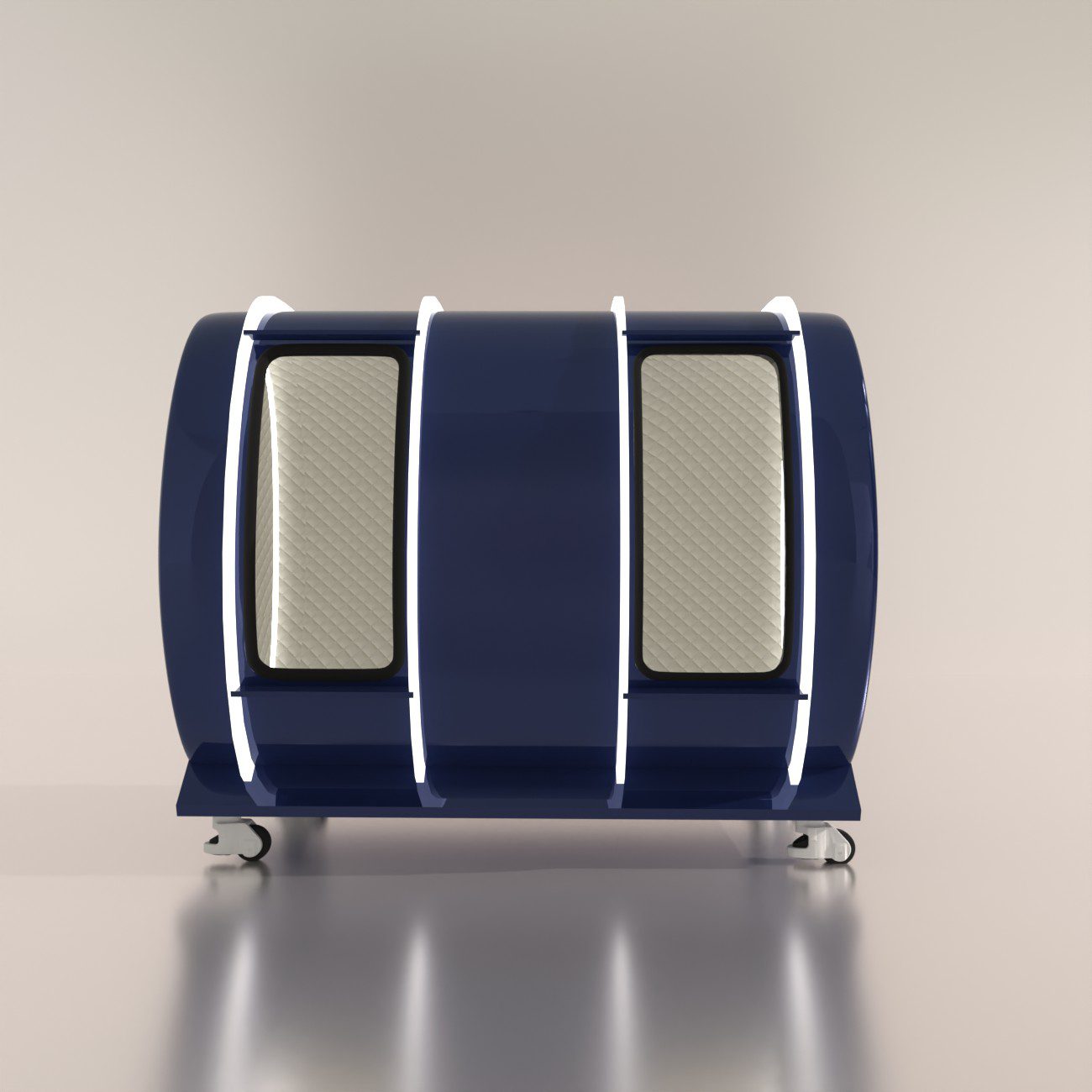
The "coziness" factor also varies. Soft chambers can feel like a tent or a sleeping bag, which some find comforting. However, they can be smaller and more confining. Hard chambers are often larger, with clear acrylic tubes that reduce claustrophobia. When weighing Soft vs. Hard Shell Chambers, consider your spatial awareness. If you need to see out clearly or sit upright in a chair, a large hard shell or a vertical soft shell might be necessary, though the traditional soft "zipper" chambers are often horizontal and compact.
Soft vs. Hard Shell Chambers Safety Features and Material Durability
Safety is paramount when dealing with pressurized vessels. The construction materials used in Soft vs. Hard Shell Chambers dictate their longevity and safety profiles. Hard shells are built like tanks, designed to withstand immense pressure for decades. They rarely leak and maintain consistent pressure effortlessly. Soft chambers are held together by zippers, straps, and high-strength urethane. While modern designs are robust, they are more prone to wear and tear over time, and seal integrity must be monitored.
In terms of emergency exits, the protocols differ. In the debate of Soft vs. Hard Shell Chambers, hard shells often require an operator to depressurize the unit from the outside, although newer models have internal release valves. Soft chambers are generally designed to be operated from the inside, allowing the user to release the pressure and unzip themselves if they feel anxious. This self-sufficiency is a major psychological benefit for many users.
Furthermore, because soft chambers use ambient air for pressure, the fire risk is virtually non-existent compared to the oxygen-saturated environment of a hard shell. This makes Soft vs. Hard Shell Chambers an easy choice for home environments where clinical-grade fire suppression systems are not available. The lower pressure and ambient air composition of soft shells provide a "safety buffer" that allows laypeople to operate them with minimal training.
Maintenance and Longevity Considerations
When investing in hyperbaric technology, longevity is a key factor. Hard shell chambers are industrial-grade equipment. Their acrylic and steel components can last 20 years or more with minimal maintenance, primarily involving cleaning and O-ring lubrication. Soft chambers, being made of fabric and zippers, have a shorter lifespan, typically 5 to 7 years depending on usage. The zippers, in particular, are under constant stress and require regular lubrication and careful handling. In the long-term cost analysis of Soft vs. Hard Shell Chambers, one must account for the potential replacement of the soft bladder versus the one-time purchase of a hard unit.
Hygiene protocols also differ. Hard shells with smooth acrylic interiors are easy to wipe down and sterilize between patients. Soft chambers often have canvas or nylon exteriors and urethane interiors that can trap dust or be harder to clean thoroughly. For multi-user environments like clinics, this ease of cleaning often tips the scale toward hard shells. However, for a single user at home, the maintenance of a soft chamber is manageable. Understanding the maintenance burden of Soft vs. Hard Shell Chambers helps users prepare for the reality of ownership.
Soft vs. Hard Shell Chambers Cost Comparison and Accessibility Factors
Financial investment is often the deciding factor. The price gap when comparing Soft vs. Hard Shell Chambers is massive. A high-quality soft shell chamber might range from $4,000 to $20,000. A clinical hard shell chamber can easily cost between $80,000 and $150,000 or more. For individuals looking to buy, the soft shell is the only realistic option for 99% of the population. Hard shells are business investments for clinics, hospitals, and high-end wellness centers.
If you are not purchasing, the cost-per-session also varies. Renting time in a hard shell at a clinic is more expensive due to the overhead of the machine and the required staff. However, because hard shells deliver a more potent dose, you might need fewer sessions. In the analysis of Soft vs. Hard Shell Chambers, one must calculate the total cost of the protocol. Forty sessions in a soft chamber might equal the biological impact of ten sessions in a hard chamber for certain conditions, balancing out the cost difference over time.
Insurance coverage is another layer. Insurance typically only covers specific FDA-approved conditions treated in hospital-grade hard shells (like diabetic wounds or the bends). Off-label use for wellness or longevity is rarely covered, regardless of whether you choose Soft vs. Hard Shell Chambers. Therefore, most users exploring these therapies for general health optimization are paying out-of-pocket, making the affordability of the soft shell route very attractive.
Soft vs. Hard Shell Chambers Tips for Making Your Final Decision
Ultimately, the choice depends on your specific goals. If you are dealing with a severe medical condition like a non-healing diabetic wound, radiation injury, or sudden hearing loss, the choice between Soft vs. Hard Shell Chambers should be made by a physician, and the answer will likely be a hard shell. The higher pressure is often non-negotiable for these pathologies. For sports recovery, anti-aging, cognitive support, or general wellness, the soft shell often provides enough physiological support to see results.
It is highly recommended to try both before committing. Visit a clinic that offers both options. The sensory experience of Soft vs. Hard Shell Chambers is very different. You might find the soft shell too cramping, or the hard shell too intimidating due to the "clunk" of the heavy door. Physical comfort leads to better compliance. If you dread the session, you won't do it. Consistency is key in hyperbaric therapy, so the "best" chamber is the one you will actually use regularly.
Consulting with a certified technician or a doctor well-versed in hyperbaric medicine is the final step. They can look at your health history and guide you through the maze of options. They can help you understand if 1.3 ATA is sufficient for your inflammation levels or if you need the heavy artillery of 2.4 ATA. Armed with expert advice and personal preference, you can confidently select the vessel that will carry you toward better health.
- Soft Chambers: Portable, lower pressure (1.3 ATA), ambient air, home-friendly.
- Hard Chambers: Clinical, higher pressure (2.0+ ATA), 100% oxygen, physician-supervised.
- Cost: Soft is affordable for ownership; Hard is a significant clinical investment.
- Experience: Soft allows electronics; Hard requires total disconnect.
In conclusion, both modalities offer pathways to enhanced oxygenation and recovery. Whether you choose the accessibility of the soft shell or the power of the hard shell, incorporating oxygen therapy can be a transformative lifestyle change. By weighing the pros and cons of Soft vs. Hard Shell Chambers, you are taking a proactive step in managing your well-being.



0 Comments