


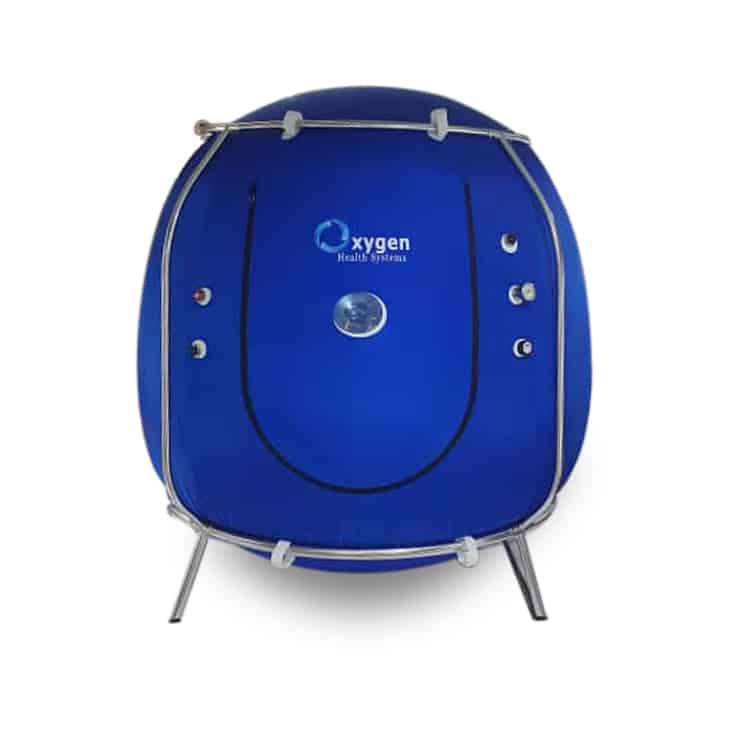

The Benefits of Oxygen Hyperbaric Chambers are often discussed in sports, recovery, and performance settings because hyperbaric environments involve breathing oxygen while inside a chamber with pressure above normal atmospheric levels. Athletes may be curious about whether this technology fits into training or recovery routines, but the conversation should remain realistic. A chamber session does not guarantee faster recovery, improved endurance, or better competition results, and the experience can vary from person to person.
For athletes, coaches, facility owners, and content publishers, the most useful approach is to separate what a chamber does mechanically from what a person may hope to achieve. Pressure level, session duration, chamber type, supervision, training load, sleep, nutrition, and individual circumstances all matter. This guide explains practical ways to evaluate the topic while also covering modern publishing and website practices for 2026.
Benefits of Oxygen Hyperbaric Chambers are easier to understand when pressure and oxygen exposure are explained clearly.
Hyperbaric chambers create an environment with pressure above normal atmospheric pressure. Depending on the chamber and operating protocol, the user may breathe oxygen-enriched gas or oxygen through a delivery system. The exact setup differs among chamber types, so product specifications and operating instructions matter.
The technology should not be reduced to the idea that “more pressure means more benefit.” Pressure, oxygen concentration, session length, and individual tolerance all influence the experience. A responsible explanation focuses on measured conditions rather than promotional phrases.
- Check the chamber’s rated operating pressure.
- Understand how oxygen is delivered during the session.
- Review the recommended session length and supervision requirements.
- Compare chamber types using clear technical specifications.
- Avoid assuming that the highest pressure is automatically the best choice.
Benefits of Oxygen Hyperbaric Chambers should be discussed separately from guaranteed athletic performance outcomes.
Athletes often look for tools that might support demanding schedules, but performance depends on many factors. Training quality, sleep, hydration, nutrition, workload management, coaching, genetics, and competition conditions can all affect results.
Because of that complexity, hyperbaric sessions should not be presented as a shortcut to faster times, stronger lifts, better endurance, or guaranteed recovery. The better question is whether the technology fits safely and practically into a broader training plan.
Benefits of Oxygen Hyperbaric Chambers may interest athletes who want structured recovery routines.
Some athletes value recovery routines because they create a scheduled period away from training stress. A chamber session can be part of that routine, but the benefit of the routine itself should not be confused with a guaranteed physiological effect.
The Benefits of Oxygen Hyperbaric Chambers are best evaluated alongside the basics: adequate sleep, sensible training progression, balanced meals, hydration, and appropriate rest. If those foundations are inconsistent, adding more technology may not solve the underlying problem.
Benefits of Oxygen Hyperbaric Chambers depend partly on chamber type and operating conditions.
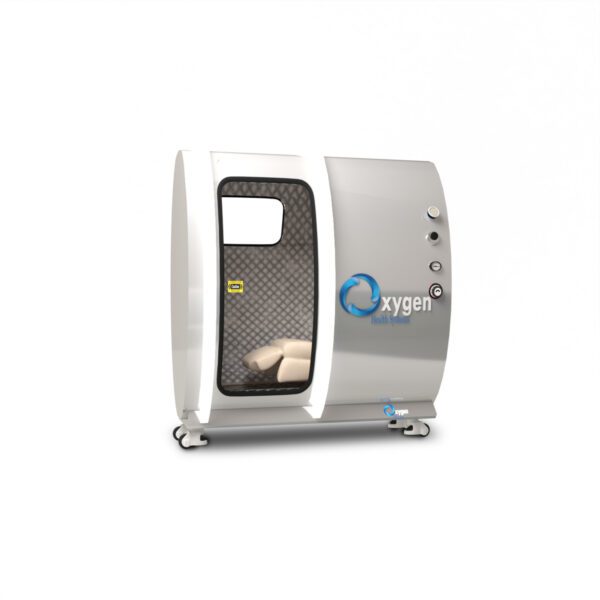
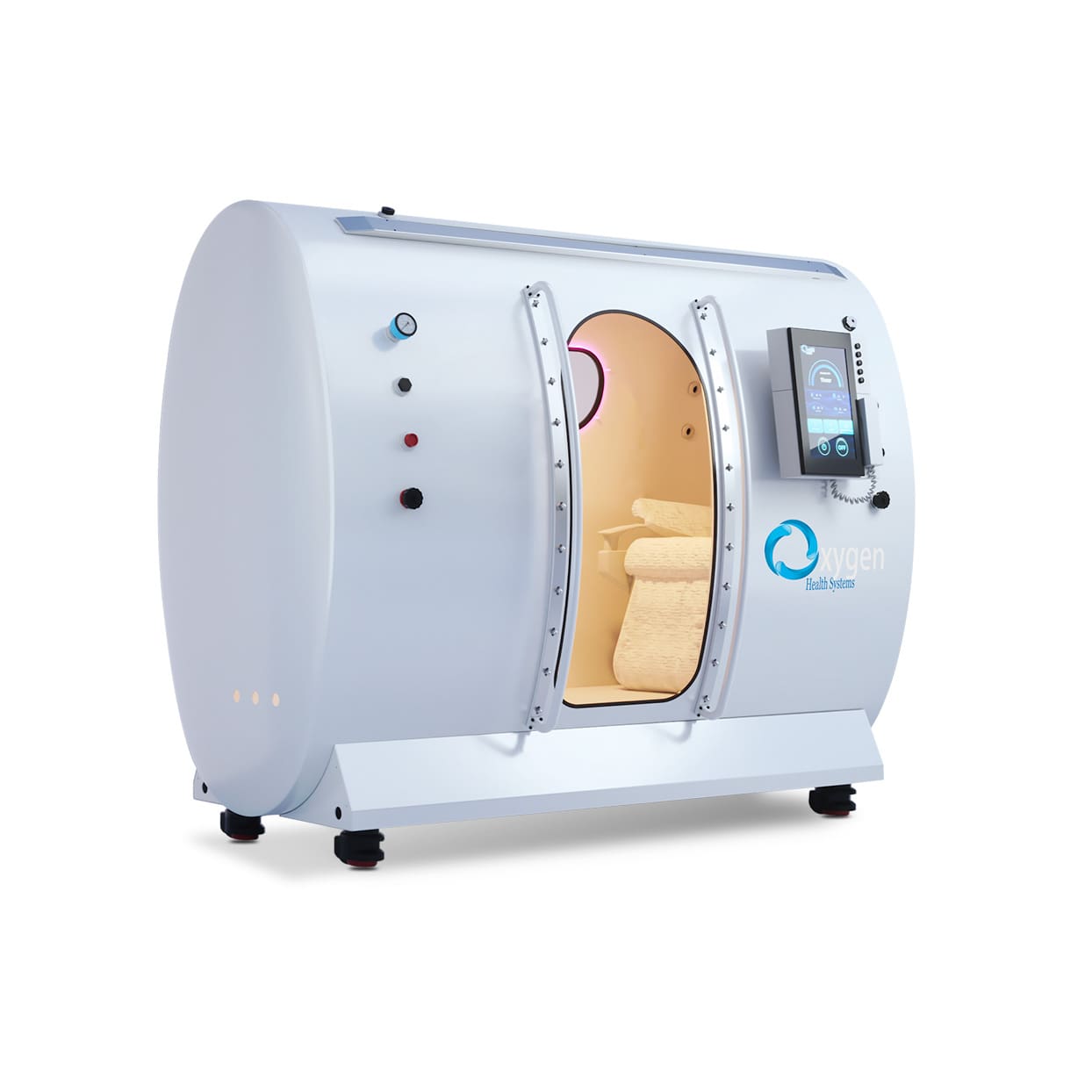
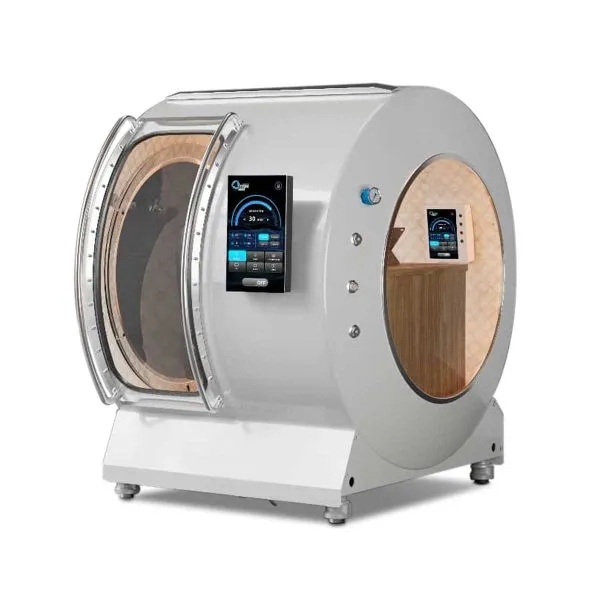
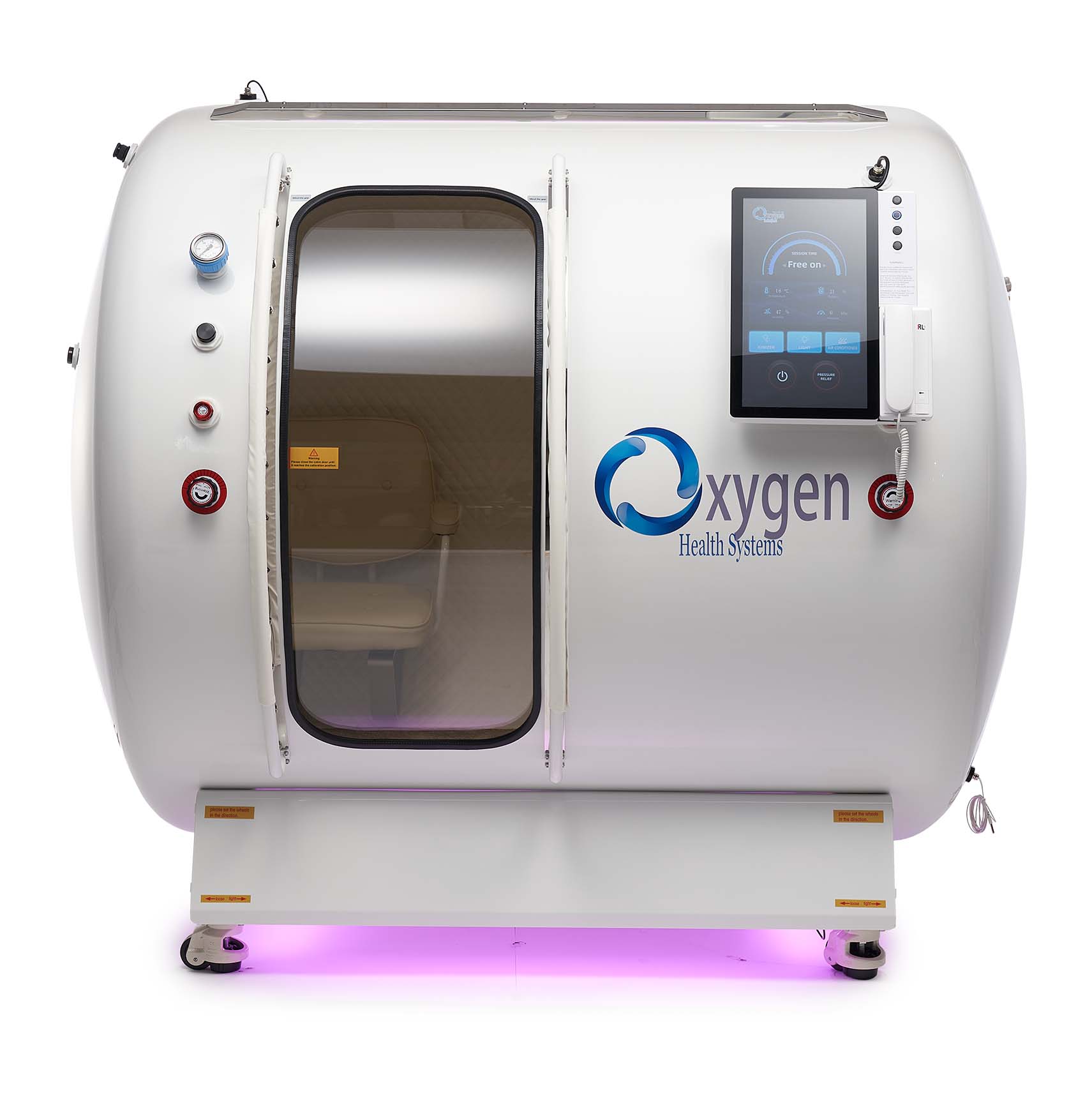
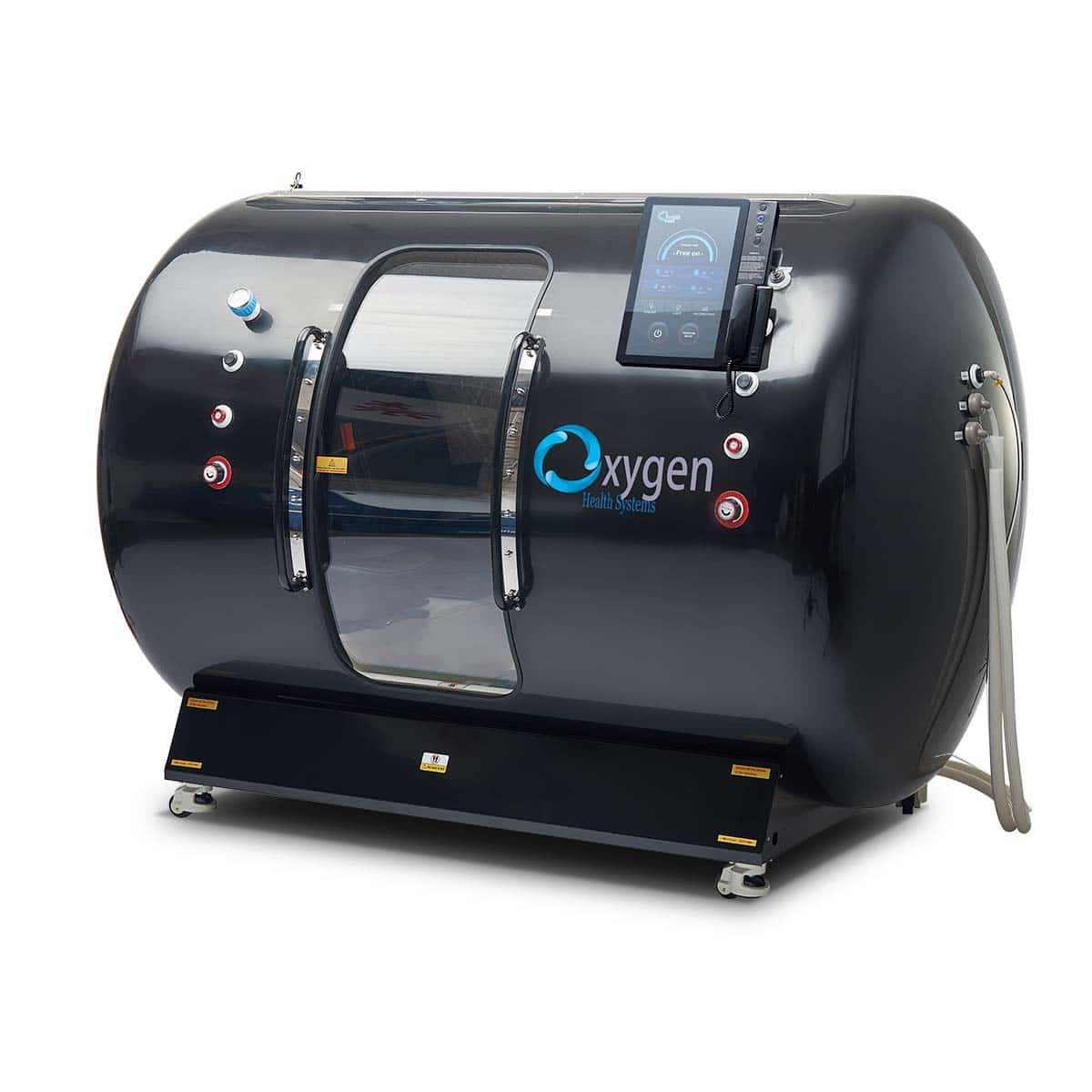
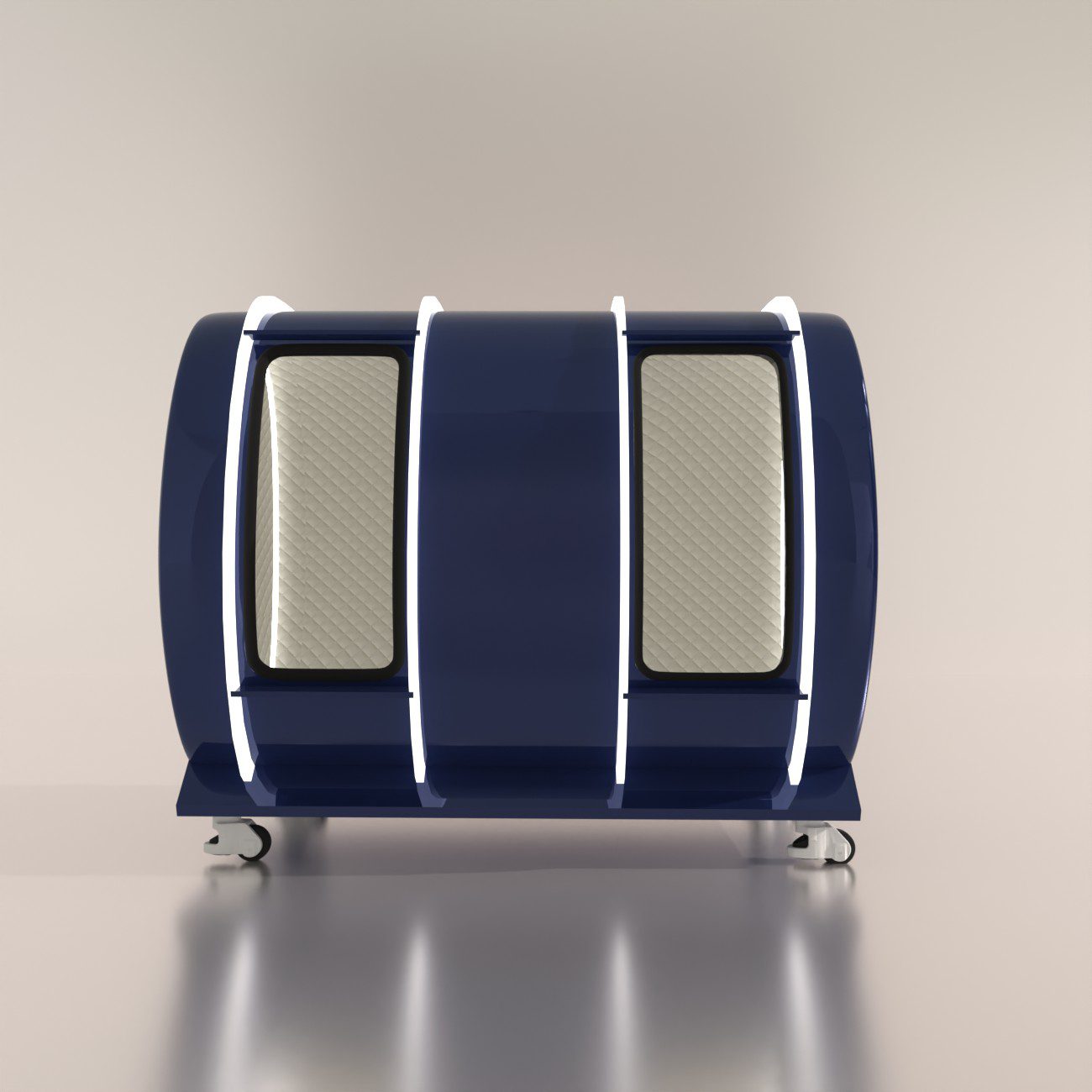
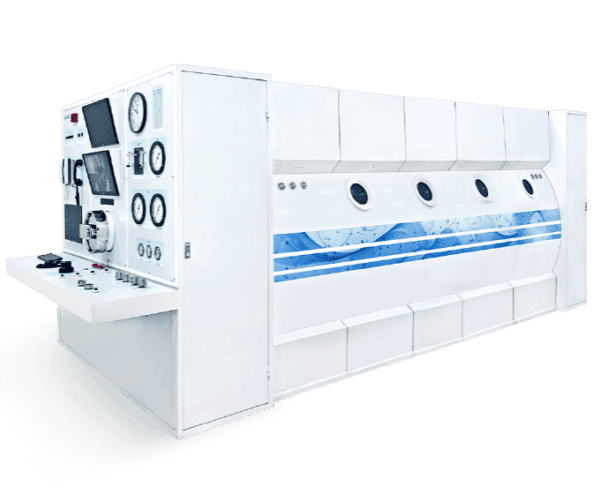
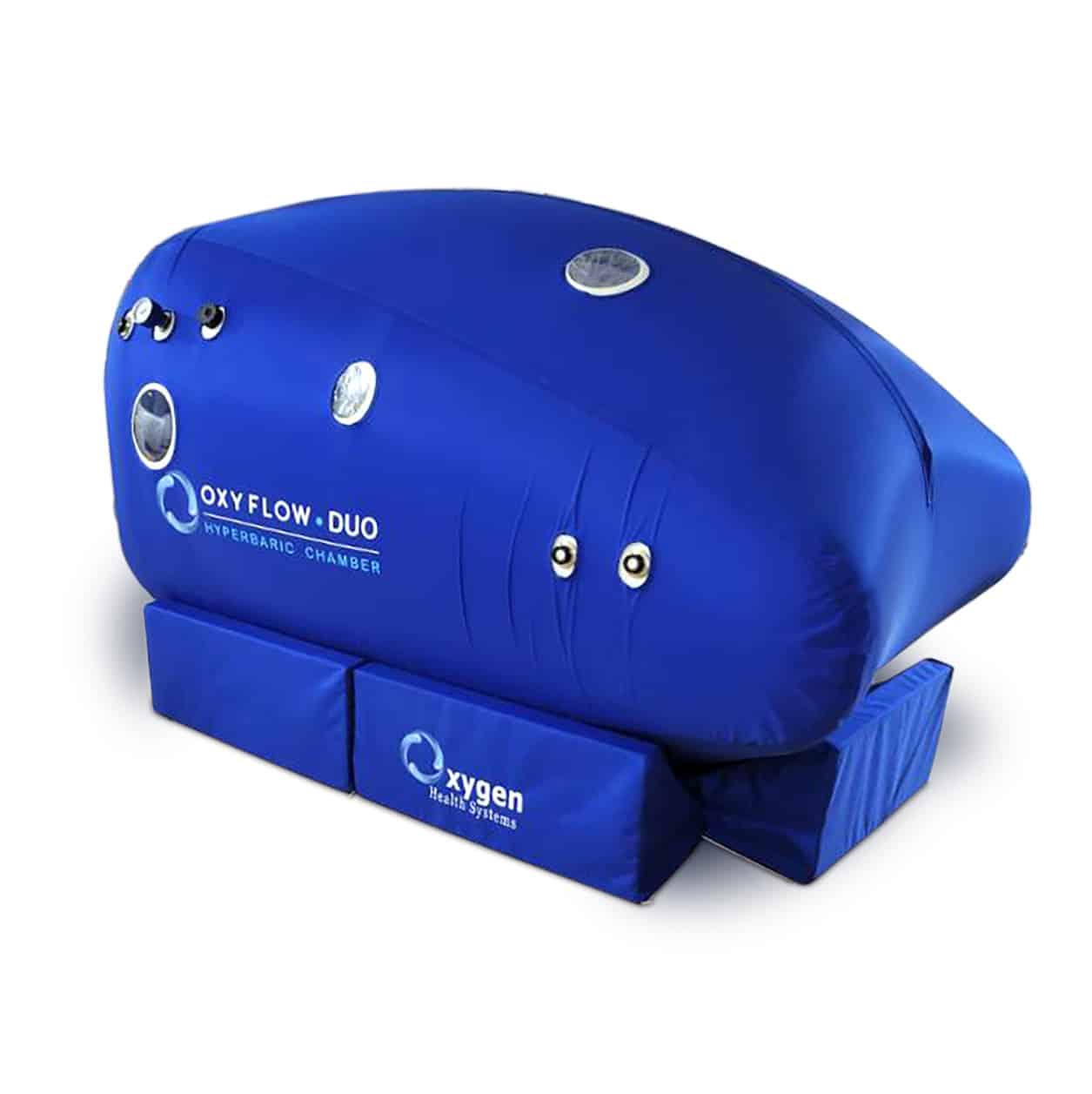
Chambers can differ in construction, pressure capability, user position, oxygen delivery, monitoring features, entry design, and overall capacity. A soft-sided chamber and a rigid chamber may provide very different operating environments, so comparing them only by appearance can be misleading.
Facility owners should also consider ventilation, maintenance procedures, staff training, cleaning routines, and manufacturer instructions. For athletes, comfort and the ability to follow the protocol consistently may matter as much as any technical feature.
Benefits of Oxygen Hyperbaric Chambers should be compared using measurable specifications rather than marketing labels.
Terms such as “professional grade,” “advanced,” “premium,” or “performance chamber” are not meaningful unless they are backed by specific information. Pressure rating, oxygen delivery method, dimensions, materials, controls, safety systems, and maintenance requirements are more useful for comparison.
These chamber systems become easier to evaluate when a product page explains those specifications in plain language. Clear documentation also helps athletes and facility managers understand what the chamber can and cannot do.
Benefits of Oxygen Hyperbaric Chambers can be considered alongside training load and recovery planning.
Athletes usually perform best when training stress and recovery are balanced over time. This means hard sessions, easier sessions, rest days, sleep, nutrition, and competition schedules should be planned together rather than managed as isolated decisions.
Hyperbaric sessions, if used, should fit around that structure. They should not encourage an athlete to ignore fatigue, train through pain, or increase workload simply because a recovery technology is available.
Benefits of Oxygen Hyperbaric Chambers should never replace careful attention to warning signs from the body.
New pain, unusual shortness of breath, dizziness, pressure discomfort, or other concerning symptoms should not be dismissed because a person is focused on performance. Athletes should communicate with appropriate professionals when something feels unusual.
Technology can support a routine, but it should not override good judgment. The same principle applies to compression devices, saunas, cold exposure, massage tools, and other popular recovery methods.
Benefits of Oxygen Hyperbaric Chambers should be considered with realistic scheduling and session expectations.
Athletes with busy training schedules may find it difficult to add another time-consuming routine. Travel to a facility, preparation time, the session itself, and post-session logistics can all affect whether a plan is practical.
The Benefits of Oxygen Hyperbaric Chambers may be easier to evaluate when athletes track how the sessions fit into their weekly schedule. Rather than assuming that more sessions are better, consider whether the routine supports consistency, comfort, and overall training organization.
Benefits of Oxygen Hyperbaric Chambers content should use accurate page titles instead of performance guarantees.
Publishers should choose page titles that describe the topic clearly. A good title can focus on chamber technology, athlete recovery routines, pressure basics, or practical considerations without promising stronger performance, faster recovery, or specific competitive results.
The page title and visible H1 should remain closely aligned so readers know they have reached the content they expected. Search-friendly wording can still be accurate and responsible.
Benefits of Oxygen Hyperbaric Chambers pages should use concise meta descriptions that match the visible article.
A meta description can summarize the article in plain language by mentioning chamber pressure, athlete routines, technical features, or practical considerations. It should not add stronger claims than the article itself supports.
Good descriptions help readers understand what they will learn before clicking. They should be written for people first rather than stuffed with repeated keywords.
Benefits of Oxygen Hyperbaric Chambers articles should follow a logical heading hierarchy from H1 through H4.
Use one H1 for the main topic, H2 headings for major sections, H3 headings for supporting ideas, and H4 headings only when a deeper subsection is genuinely useful. Heading tags should represent content structure rather than simply changing text size.
This is especially useful for technical articles that discuss chamber types, operating pressure, oxygen delivery, athlete routines, and website best practices. Clear headings make long pages easier to scan on phones and desktop screens.
Benefits of Oxygen Hyperbaric Chambers pages benefit from internal links that answer related questions.
Internal links can connect readers to chamber comparisons, pressure explanations, athlete recovery articles, facility guides, maintenance information, or equipment specifications. Descriptive anchor text is more useful than vague phrases such as “click here.”
The topic should be supported by a clear content structure rather than an excessive number of links. A few relevant internal links that answer natural follow-up questions are more useful than dozens added only for search visibility.
Benefits of Oxygen Hyperbaric Chambers pages should use meaningful images and accurate alternative text.
Useful images may show a chamber interior, control panel, entry system, athlete seating position, pressure display, or facility setup. When an image communicates useful information, alternative text should describe what is visible for people using screen readers.
Alternative text should not be used as a place to repeat keywords. A photograph of an athlete seated inside a rigid chamber can be described in direct, literal language.
Benefits of Oxygen Hyperbaric Chambers pages should meet Core Web Vitals and mobile-first expectations in 2026.
Equipment websites often use large product photos, videos, 3D renders, comparison tools, and contact forms. If these elements are poorly optimized, the page can become slow, unstable, or difficult to use.
Core Web Vitals provide a practical framework for loading performance, interaction responsiveness, and visual stability. Compress images, reserve space for media, reduce unnecessary scripts, and test key pages on slower mobile connections.
- Resize chamber photos before uploading them.
- Reserve width and height for images and videos.
- Keep specification text readable on small screens.
- Make inquiry buttons and navigation easy to tap.
- Avoid layout shifts caused by late-loading media or ads.
Benefits of Oxygen Hyperbaric Chambers content can use schema markup when it accurately matches visible information.
Structured data can help search systems understand whether a page is an article, product page, organization page, author page, or breadcrumb trail. The markup should accurately reflect information that visitors can see.
Schema does not make a performance claim more credible. Quality still depends on accurate specifications, transparent sourcing, current content, and responsible explanations.
Benefits of Oxygen Hyperbaric Chambers articles should demonstrate quality through transparent sourcing and authorship.
Readers should be able to see who wrote or reviewed an article, when it was published, and when it was updated. Statements about pressure, oxygen exposure, chamber design, or athletic use should be supported by reliable sources when references are appropriate.
The Benefits of Oxygen Hyperbaric Chambers content becomes more trustworthy when it explains uncertainty. Research involving one protocol, athlete group, chamber type, or performance measure should not automatically be generalized to every user or device.
Benefits of Oxygen Hyperbaric Chambers content should remain accessible to athletes, coaches, and facility owners.
Accessible pages use semantic headings, readable contrast, descriptive links, keyboard-friendly navigation, meaningful image descriptions, and clearly labeled forms. Technical terms such as pressure level, oxygen concentration, session duration, and chamber type should be explained in plain language.
Short paragraphs, useful lists, readable tables, and mobile-friendly layouts make equipment information easier to understand across different devices and experience levels.
Benefits of Oxygen Hyperbaric Chambers discussions should avoid common mistakes that create unrealistic expectations.
One common mistake is treating every chamber as technically identical. Another is assuming that higher pressure automatically means a better athletic outcome. Publishers can also create confusion by presenting testimonials as proof that the same result will happen for everyone.
- Do not promise guaranteed improvements in speed, strength, endurance, or recovery.
- Avoid treating every chamber type as equivalent.
- Do not compare products without checking pressure and oxygen-delivery details.
- Avoid assuming that longer or more frequent sessions are automatically better.
- Do not use athlete testimonials as universal evidence.
- Avoid keyword stuffing in headings, links, and image descriptions.
- Do not neglect mobile performance, accessibility, or updated specifications.
Benefits of Oxygen Hyperbaric Chambers are most useful when realistic expectations and strong training fundamentals come first.
For athletes, performance still depends on training quality, recovery planning, sleep, nutrition, coaching, and consistency. Hyperbaric technology can be evaluated as one optional part of that larger system rather than as a guaranteed shortcut.
For publishers and equipment providers, responsible content combines accurate titles, concise meta descriptions, logical headings, useful internal links, meaningful alt text, strong Core Web Vitals, appropriate schema, transparent sourcing, mobile-first design, and accessible formatting.
In 2026, the Benefits of Oxygen Hyperbaric Chambers are best presented as a technical and practical topic rather than a promise of better athletic performance. Clear chamber specifications, sensible scheduling, informed supervision, and realistic expectations give athletes and facility owners a stronger basis for evaluating whether this technology fits their goals.



0 Comments