
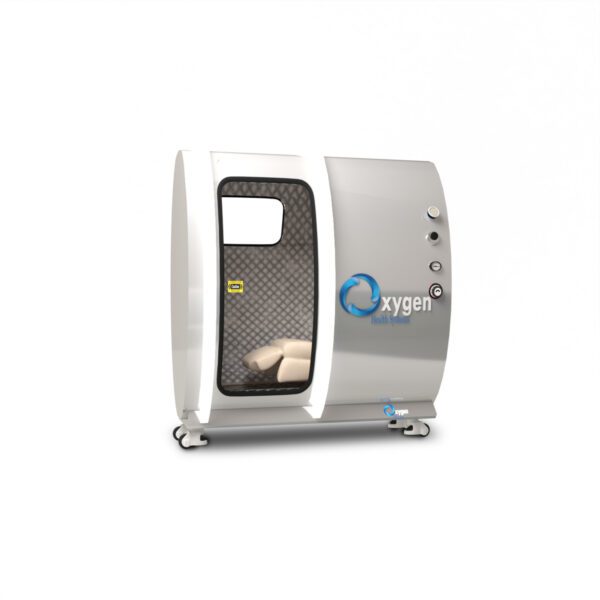
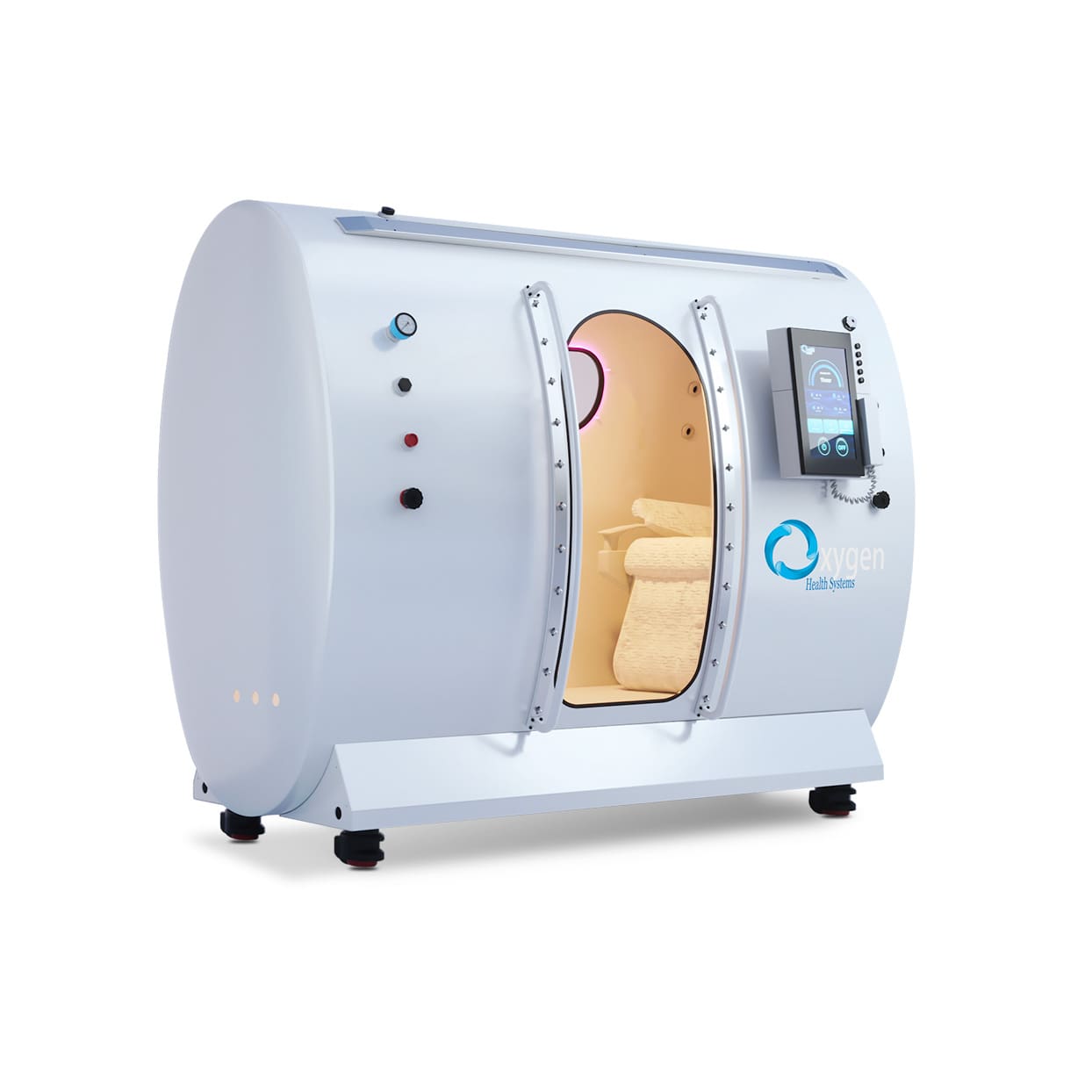

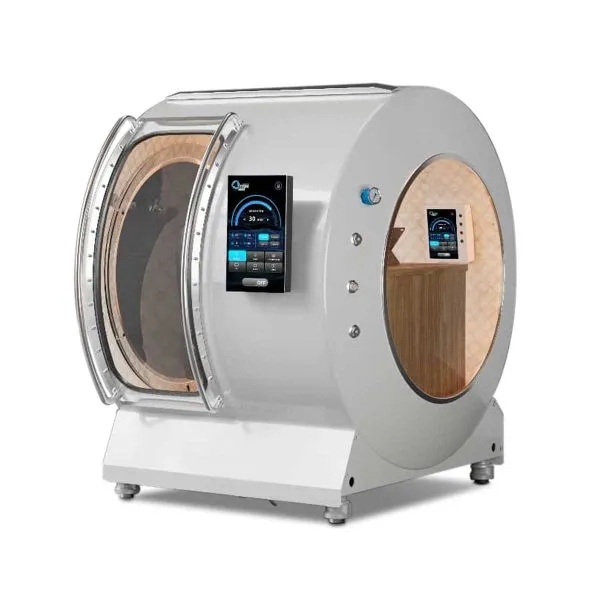
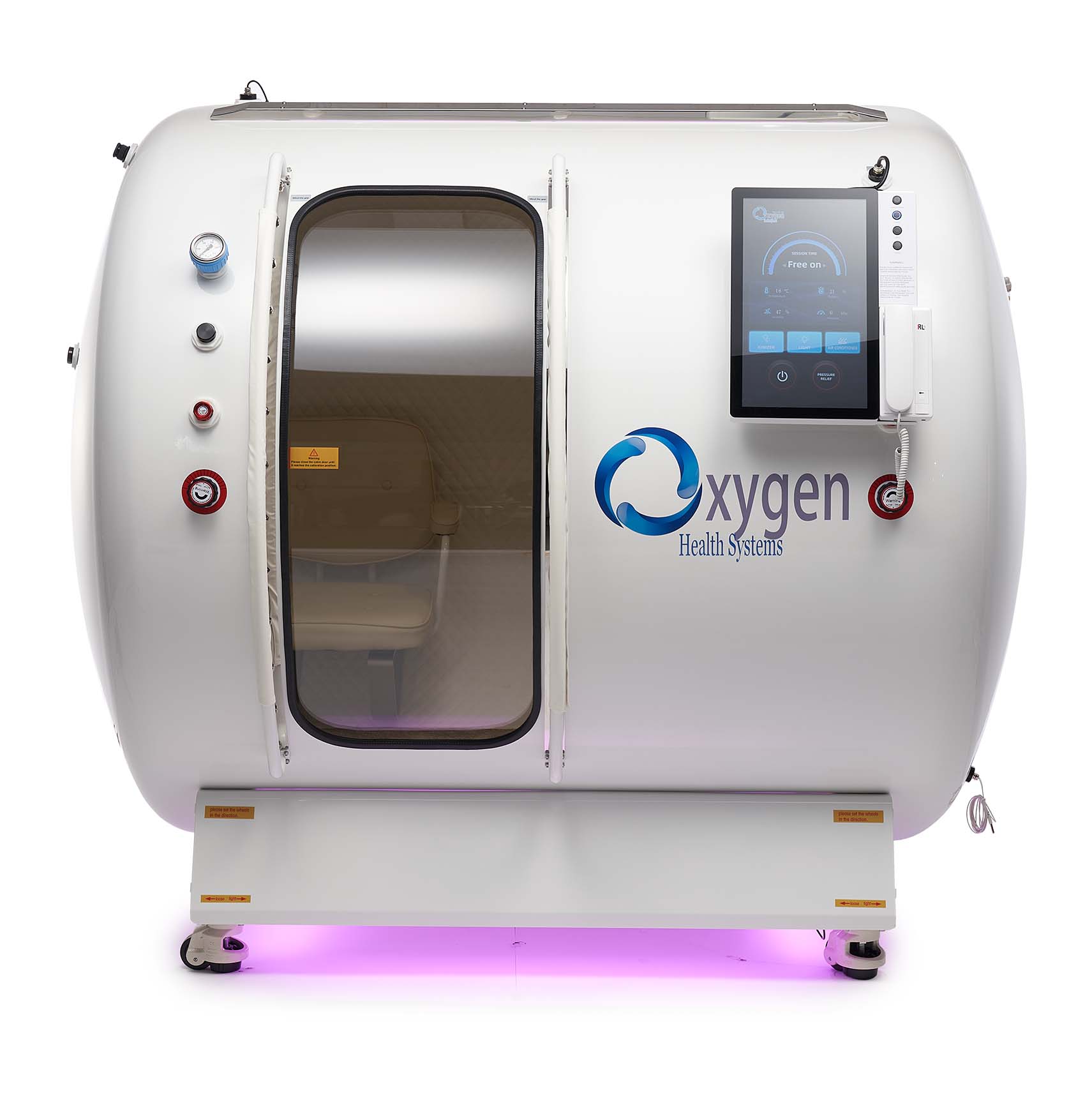

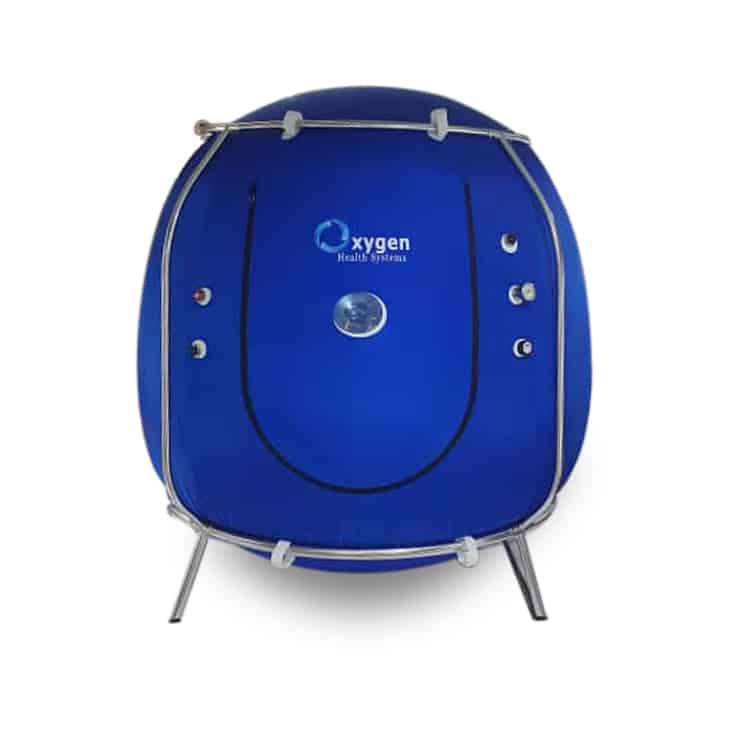

Adding a hyperbaric-style chamber to a clinic or therapy center involves much more than purchasing equipment and finding an empty room. Oxygen Chambers for Clinics should be evaluated as specialized systems that require careful site planning, trained staff, clear operating procedures, maintenance schedules, and a strong safety culture. They should not be presented as guaranteed solutions for medical or wellness outcomes.
<< Get the Latest Price >>
Different facilities serve different populations. A rehabilitation center, wellness clinic, sports recovery practice, and multidisciplinary therapy center may have very different workflows, staffing models, building constraints, and supervision needs. The chamber model, pressure range, room layout, and supporting equipment should therefore be selected around the facility rather than forcing the facility to adapt to a poorly matched system.
Oxygen Chambers for Clinics Should Begin With a Clear Service and Workflow Plan.
Before comparing chamber models, define how the service will fit into daily operations. Consider who will use the chamber, how appointments will be scheduled, how long room turnover takes, who supervises sessions, and how users enter and leave the treatment area.
A practical workflow map can reveal problems early. If a chamber room is far from staff workstations, difficult to access with mobility equipment, or too small for safe supervision, those issues are easier to solve before installation than after the system arrives.
Oxygen Chambers for Clinics Should Match the Facility’s Available Space and Infrastructure.
Measure doorways, corridors, ceiling height, floor area, and service clearances before ordering equipment. Confirm whether the chamber must pass through elevators, narrow hallways, or other limited access points during delivery.
External compressors, concentrators, cooling equipment, and electrical components may also require dedicated space. The room should provide enough clearance for inspection, cleaning, staff movement, and emergency access without turning the treatment area into a crowded equipment closet.
Facility managers should also think about privacy and noise. A treatment room near a crowded hallway may make communication harder, while a room with excessive foot traffic can reduce comfort for both users and staff. Simple choices such as clear signage, predictable appointment flow, and a designated storage area for approved supplies can make daily operations feel more organized without complicating the clinical environment.
Oxygen Chambers for Clinics Should Include Accessibility in the Room Design.
Professional facilities may serve people who use wheelchairs, walkers, canes, or transfer assistance. Door width, floor transitions, seating, transfer space, and the distance between the waiting area and chamber room can all affect usability.
Accessibility planning should happen before construction or renovation. A visually attractive room is not enough if clients cannot enter comfortably or staff cannot assist safely.
Oxygen Chambers for Clinics Should Be Selected by Model-Specific Operating Requirements.
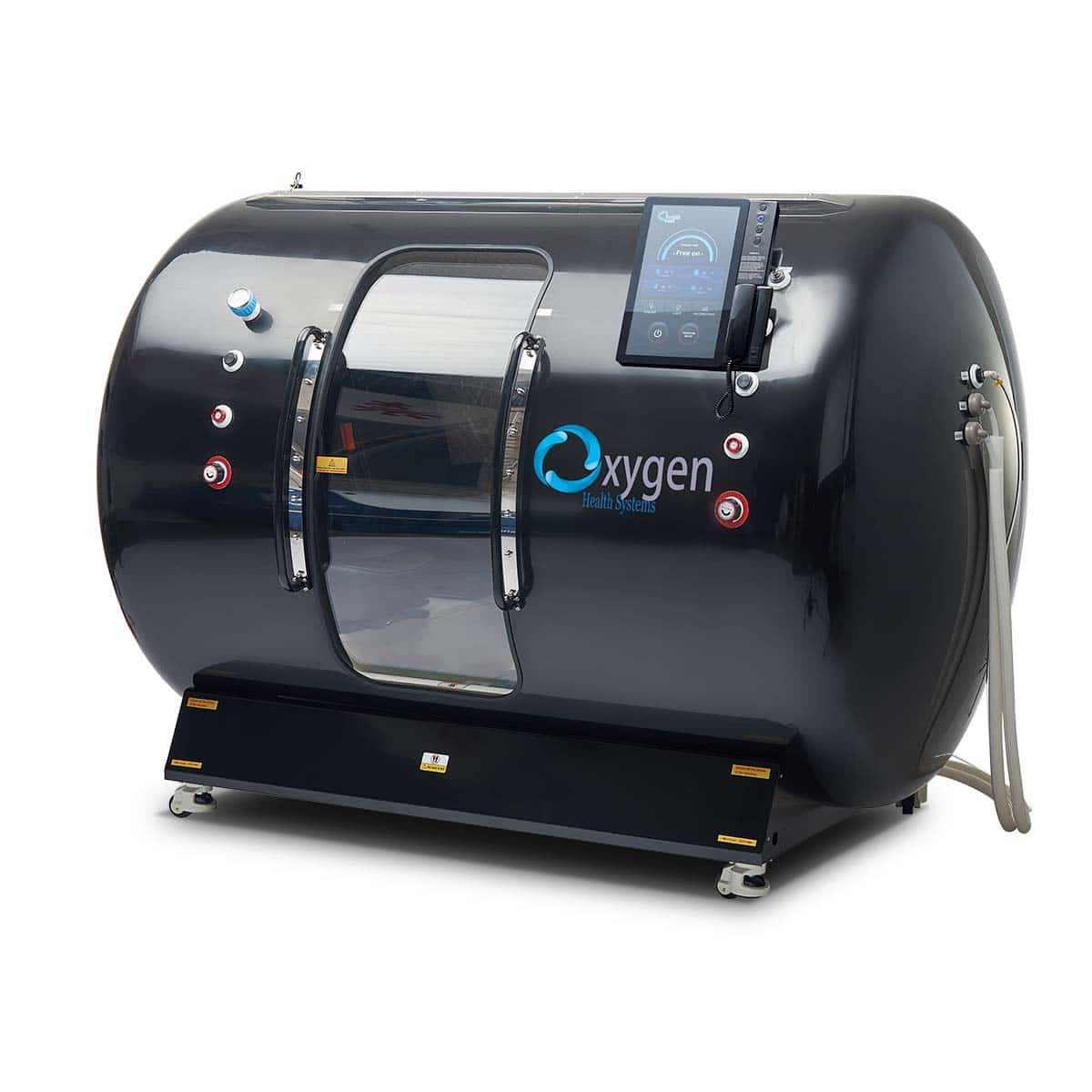
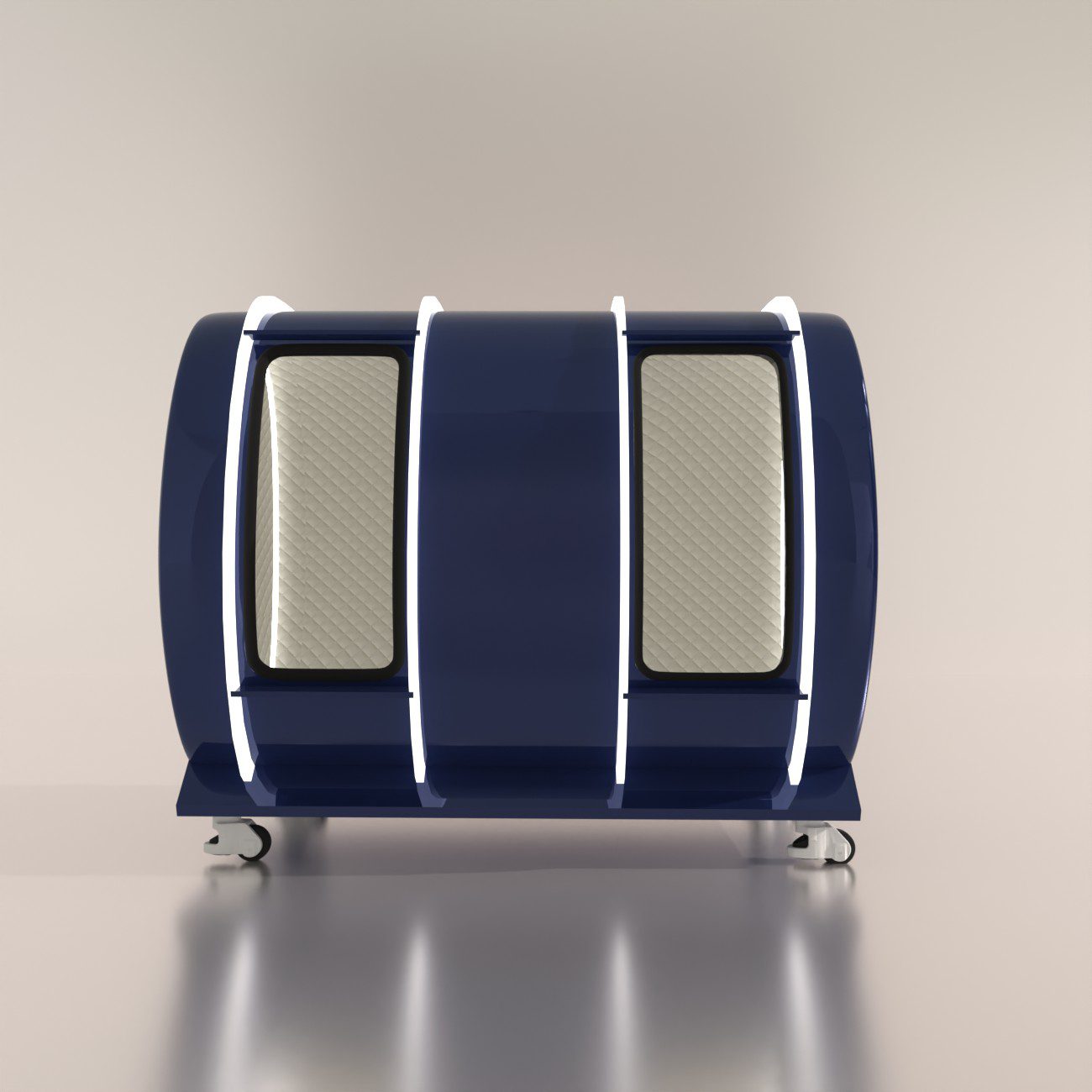
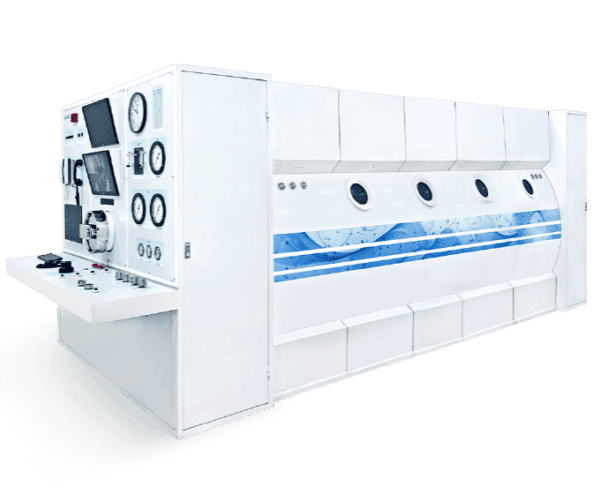
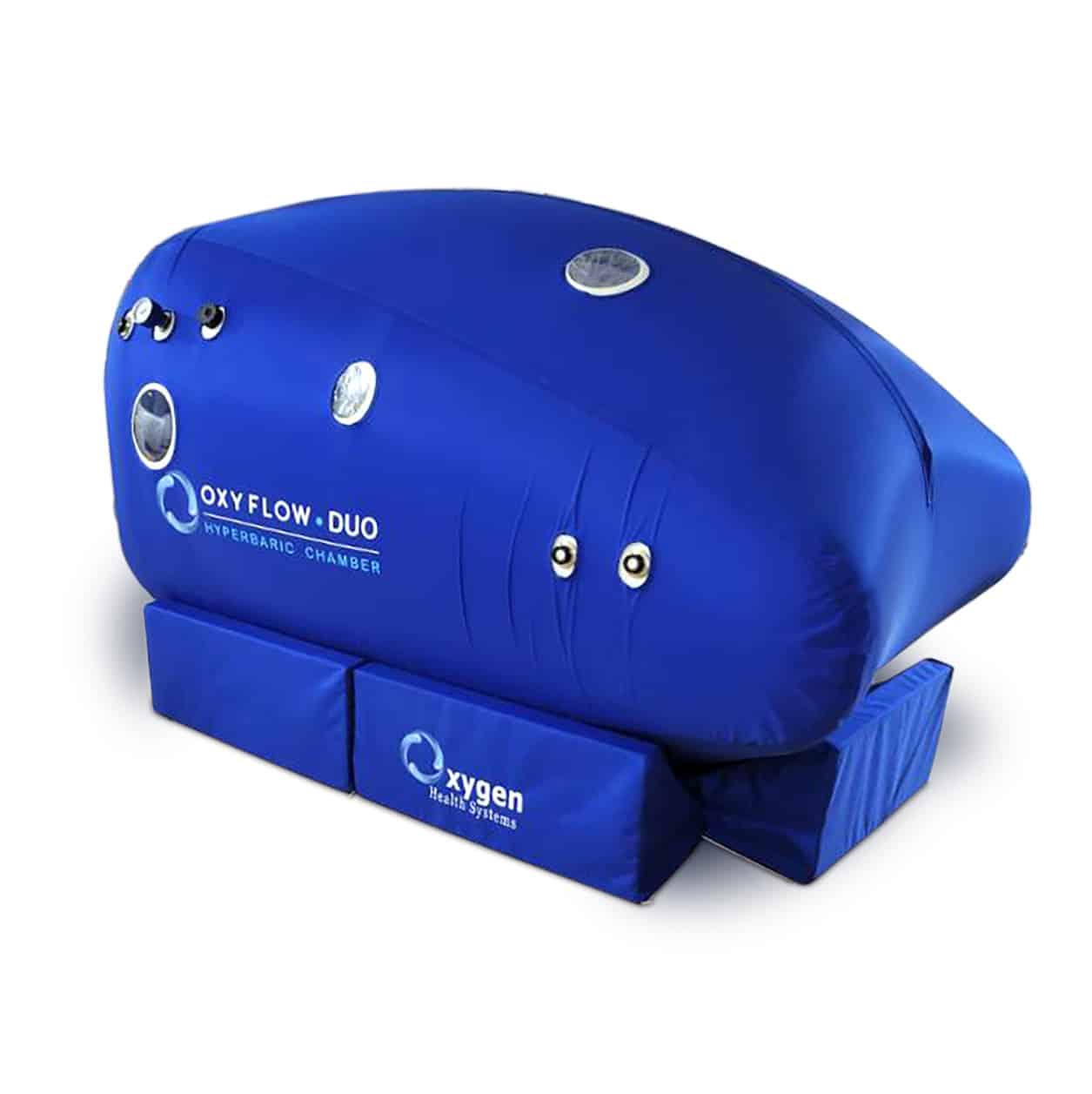
Chambers can differ in shell construction, pressure capability, entry style, dimensions, control systems, and supporting equipment. Clinics should compare the full operating requirements of each model instead of selecting primarily by appearance or price.
The selected chamber is easier to manage when the system aligns with the facility’s staffing level, room size, expected appointment volume, and maintenance capacity. A feature that is useful in a high-volume center may add unnecessary complexity in a smaller practice.
Oxygen Chambers for Clinics Should Have Clearly Defined Pressure and Session Protocols.
Pressure and duration should not be adjusted casually from one session to another. Facilities need written procedures that identify who is authorized to select settings and how those settings are verified before use.
Staff should never increase pressure or extend a session simply because a client asks for a stronger experience. Model limits, professional guidance, and the facility’s approved procedures should remain the controlling factors.
Oxygen Chambers for Clinics Should Keep Fire Prevention at the Center of Operations.
Fire precautions are fundamental wherever oxygen-related equipment and pressurized systems are used. The room should be kept free of smoking materials, flames, unauthorized heaters, and other ignition sources.
Facilities should establish rules for clothing, linens, electronics, personal items, cleaning products, and other materials allowed in or around the chamber. Staff should apply those rules consistently rather than making exceptions during busy periods.
Oxygen Chambers for Clinics Should Use a Pre-Session Safety Checklist Every Time.
A written checklist helps reduce variation between staff members and shifts. It can include equipment condition, approved clothing, prohibited items, user communication, room readiness, and confirmation that supervision is available.
- Inspect visible seals, windows, hoses, cords, and fittings.
- Confirm the room is clear of ignition sources and clutter.
- Remove prohibited electronics, cosmetics, or personal items.
- Verify the approved communication method.
- Confirm that the assigned staff member can supervise the entire session.
- Document any unusual finding before the chamber is used.
Oxygen Chambers for Clinics Should Require Staff Training That Matches the Equipment.
Training should cover more than how to start and stop the system. Staff need to understand routine inspection, user communication, emergency procedures, room rules, cleaning methods, documentation, and when a session should not begin.
Oxygen Chambers for Clinics also benefit from cross-training so operations do not depend entirely on one person. However, only appropriately trained and authorized staff should operate the system or make decisions about chamber settings.
Oxygen Chambers for Clinics Should Include Refresher Training and Competency Review.
Initial training can fade over time, especially when staff use the equipment infrequently. Periodic review helps reinforce procedures and gives the team a chance to address questions that appeared during real-world operation.
Document training dates, equipment orientation, and any updates introduced after software, hardware, or workflow changes. New employees should receive structured training rather than informal instruction from memory.
Oxygen Chambers for Clinics Should Use Reliable Communication During Every Session.
The user should be able to communicate with the supervising staff member throughout the session using the system approved for the chamber. Staff should understand how to respond if the user reports ear discomfort, anxiety, dizziness, breathing difficulty, or another concern.
Supervision should be active rather than nominal. A staff member assigned to a chamber should not be expected to manage unrelated duties that prevent timely response.
Oxygen Chambers for Clinics Should Prepare Users for Pressure-Related Ear Comfort.
Pressure changes can affect the ears and sinuses. Users should receive clear instructions about what to expect and how to communicate if equalization becomes difficult.
Staff should not encourage someone to push through significant discomfort. If pressure adjustment becomes a problem, the approved operating and stop procedures should guide the response.
Oxygen Chambers for Clinics Should Maintain Consistent Cleaning and Infection-Control Routines.
High-use clinical environments need predictable turnover procedures. Approved surfaces, cushions, linens, and contact points should be cleaned with products compatible with the chamber materials.
Do not substitute strong household cleaners, oils, sprays, or solvents without confirming that they are allowed. Cleaning choices should protect both users and the equipment.
Oxygen Chambers for Clinics Should Track Maintenance Before Problems Become Disruptions.
Preventive maintenance is easier to manage when inspections, filter changes, replacement parts, service visits, and unusual equipment behavior are documented in one place.
A maintenance log should include dates, findings, actions taken, and the person responsible. This gives managers a clear service history and can help technical support diagnose recurring problems more quickly.
Oxygen Chambers for Clinics Should Build Scheduling Around Safe Turnover Time.
Back-to-back appointments may look efficient on paper, but the schedule must leave enough time for cleaning, inspection, documentation, room preparation, and user transition.
Overly tight scheduling can encourage shortcuts. A realistic calendar protects safety procedures and gives staff enough time to address unexpected delays without disrupting the entire day.
Oxygen Chambers for Clinics Should Include Clear Documentation and Recordkeeping.
Facilities should decide what information is recorded before, during, and after each session. Documentation may include the date, assigned staff member, equipment used, approved settings, session completion, and any unusual event.
These services are easier to oversee when operational records are separate from informal notes. Consistent documentation also helps managers identify maintenance trends, recurring scheduling problems, or areas where additional training is needed.
Oxygen Chambers for Clinics Should Use Incident Reporting for Unusual Events.
If a session stops early, a user reports unexpected discomfort, equipment behaves abnormally, or a safety rule is broken, the event should be documented according to the facility’s procedure.
The purpose is not to assign blame. A useful incident process helps the organization identify what happened, what should change, and whether equipment, training, or workflow needs review.
Oxygen Chambers for Clinics Should Avoid Promising Specific Wellness or Therapy Outcomes.
Marketing should accurately describe the equipment and service without turning technical features into guaranteed health claims. Statements about pressure capability, chamber dimensions, comfort features, or supervised sessions are clearer than vague promises of healing or recovery.
Oxygen Chambers for Clinics should be presented with realistic expectations so clients understand that individual experience can vary and that specialized equipment is only one part of a broader care or wellness plan.
Oxygen Chambers for Clinics Should Keep Website Information Clear and Accessible.
Clinic websites should explain the service in plain language, use descriptive page titles and headings, provide useful image alt text, and make appointment or contact information easy to find. Mobile visitors should be able to read key information without zooming or navigating complex menus.
Fast-loading images, clear internal links, accessible forms, and accurate structured data can improve the digital experience. Online content should reflect what the clinic actually provides rather than relying on exaggerated terminology.
Oxygen Chambers for Clinics Should Avoid Common Operational Mistakes.
Common mistakes include buying equipment before measuring the room, blocking service access, allowing inconsistent supervision, skipping cleaning between appointments, using unapproved accessories, and failing to document maintenance.
- Do not install a chamber without confirming space and electrical requirements.
- Do not allow untrained staff to select operating settings.
- Do not bypass fire-prevention rules during busy periods.
- Do not use unapproved cleaning products or interior accessories.
- Do not schedule sessions so tightly that inspections are skipped.
- Do not ignore unusual noises, damaged components, or repeated user concerns.
Oxygen Chambers for Clinics Work Best When Safety, Workflow, and Professional Oversight Stay Connected.
Oxygen Chambers for Clinics can fit into professional therapy and wellness environments when the facility plans carefully for space, staffing, supervision, accessibility, maintenance, fire precautions, and documentation. The equipment should be treated as a specialized system rather than as a simple add-on service.
A strong program begins before installation. Managers should define the intended workflow, confirm infrastructure, select an appropriate chamber, train staff, create written procedures, and establish realistic appointment timing.
Long-term success also depends on consistency. Cleaning, inspection, maintenance, communication, recordkeeping, and staff review should continue after the equipment becomes familiar.
When clinics combine careful planning with realistic client communication and disciplined daily procedures, chamber services become easier to manage. The strongest programs prioritize safety, reliability, staff readiness, accessibility, and an organized experience from the first appointment through ongoing operation.



0 Comments