
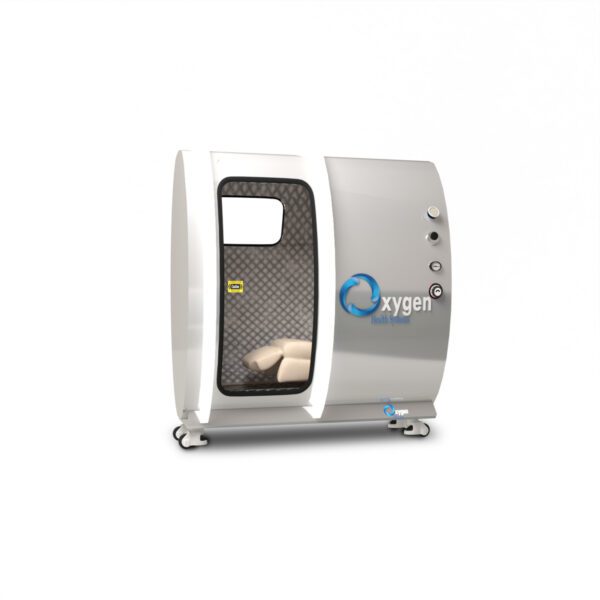
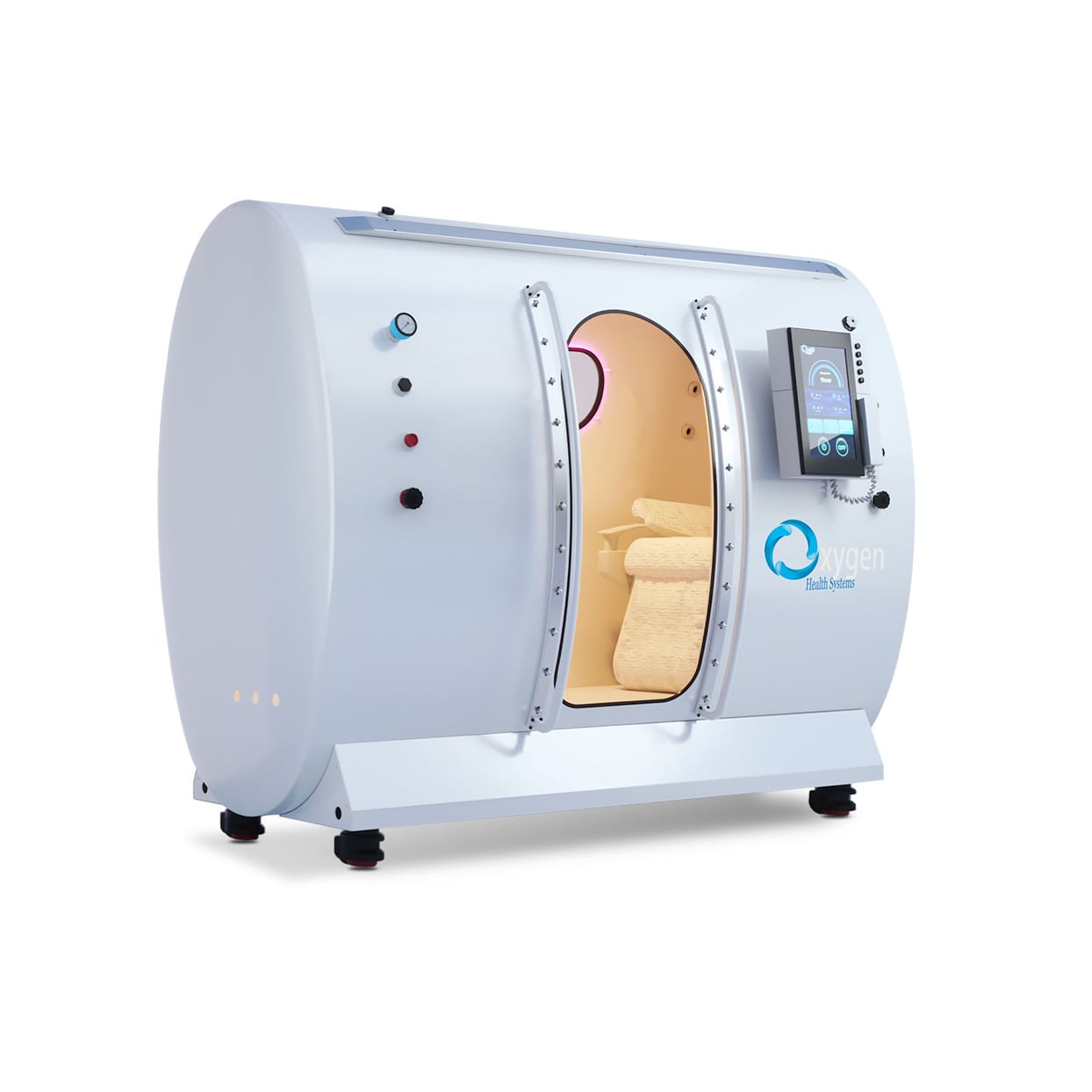

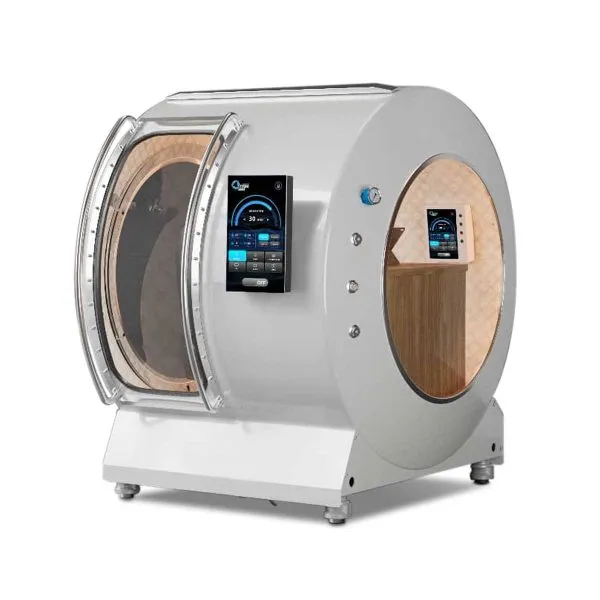
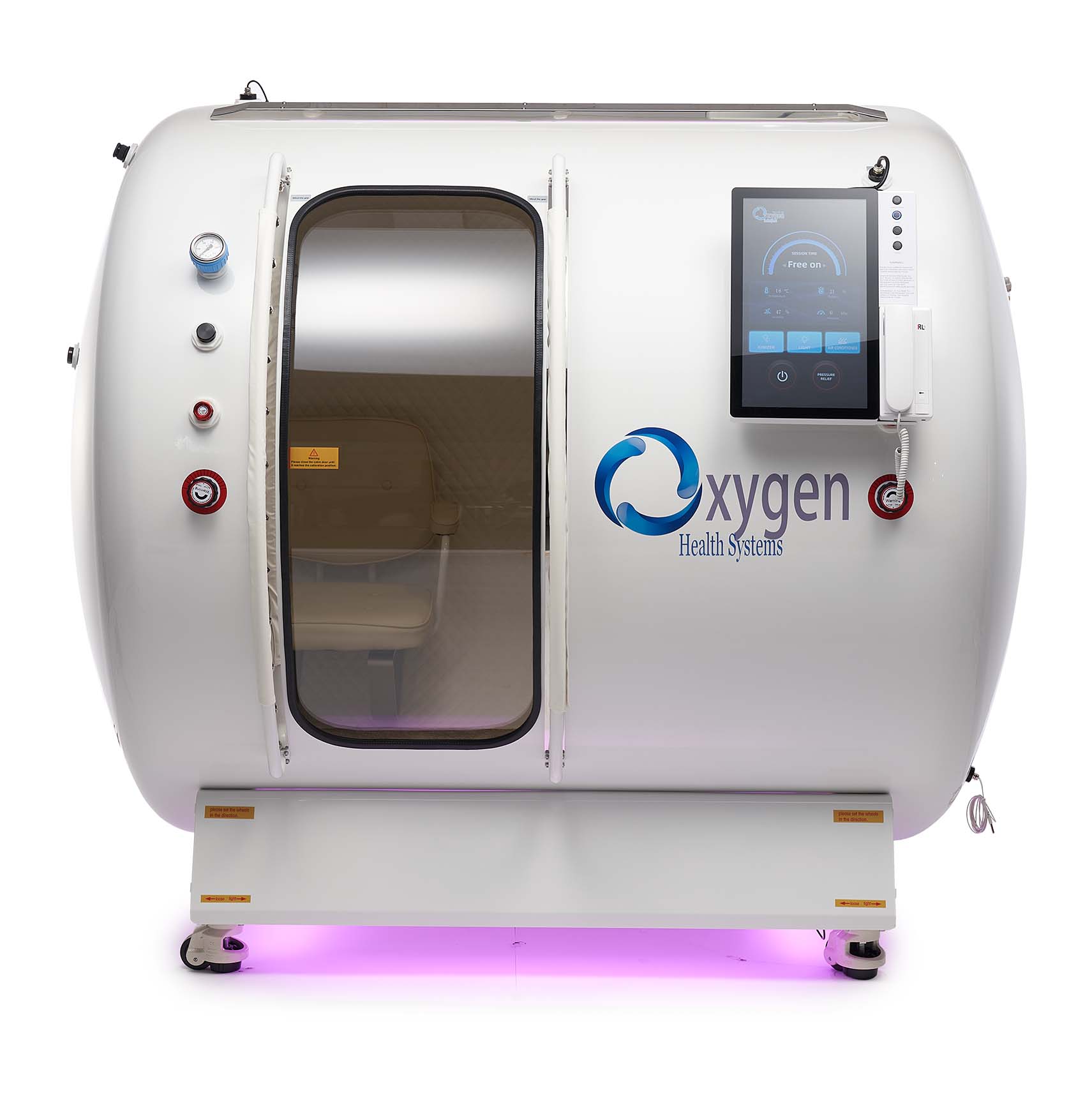

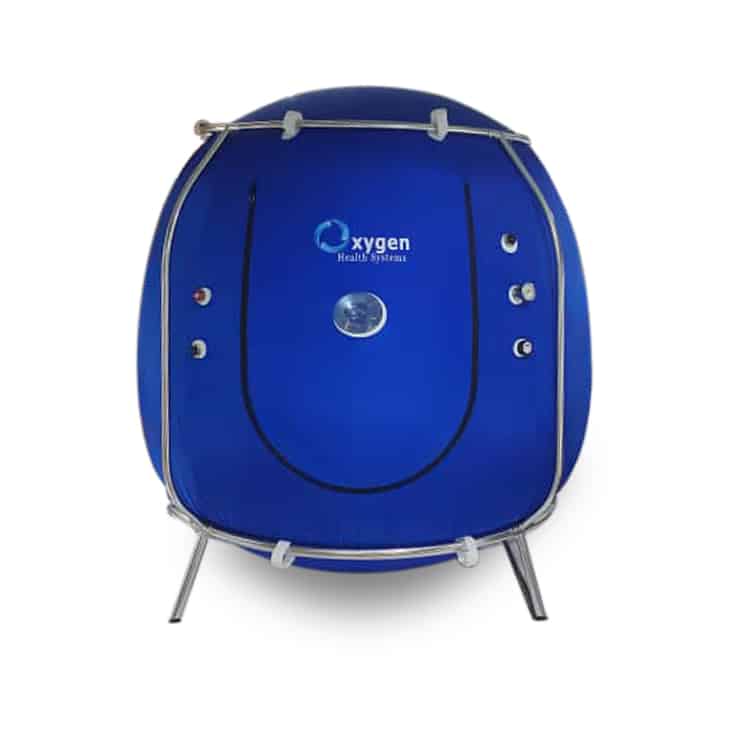

Investing in hyperbaric oxygen therapy (HBOT) equipment is a significant financial and lifestyle decision for both private individuals and commercial clinic owners. While much of the initial research focuses on the purchase price, pressure capabilities, and physiological benefits, the true long-term value of the unit is determined by its upkeep. The ongoing debate regarding Soft vs. Hard Shell Chambers often overlooks the practical, day-to-day reality of living with and caring for these sophisticated machines. Understanding the maintenance nuances is critical because a hyperbaric chamber is not a "set it and forget it" appliance; it is a life-support vessel that requires respect and diligence.
>>> Get Yours Now <<<
Maintenance is not just about keeping the unit visually clean; it is about preserving the structural integrity of the pressurized vessel to ensure safety and performance. In the comparison of Soft vs. Hard Shell Chambers, the construction materials dictate the care protocols. Soft chambers, constructed from flexible polymers, nylons, and heat-sealed seams, have vastly different vulnerabilities compared to the rigid steel, aluminum, or thick acrylic of hard chambers. By analyzing Soft vs. Hard Shell Chambers through the comprehensive lens of daily, monthly, and annual maintenance, potential buyers can accurately assess which option aligns better with their available time, mechanical aptitude, and business staffing capabilities.
Furthermore, the "Total Cost of Ownership" (TCO) varies wildly between the two. A soft shell might be cheaper upfront, but if it requires more frequent replacement of parts or degrades faster due to environmental factors, the long-term cost rises. Conversely, a hard shell requires a higher initial outlay but may cost pennies to maintain over a decade. This guide dives deep into the specific chores required for each, helping you avoid buyer's remorse.
Soft vs. Hard Shell Chambers Differences In Daily Cleaning Protocols
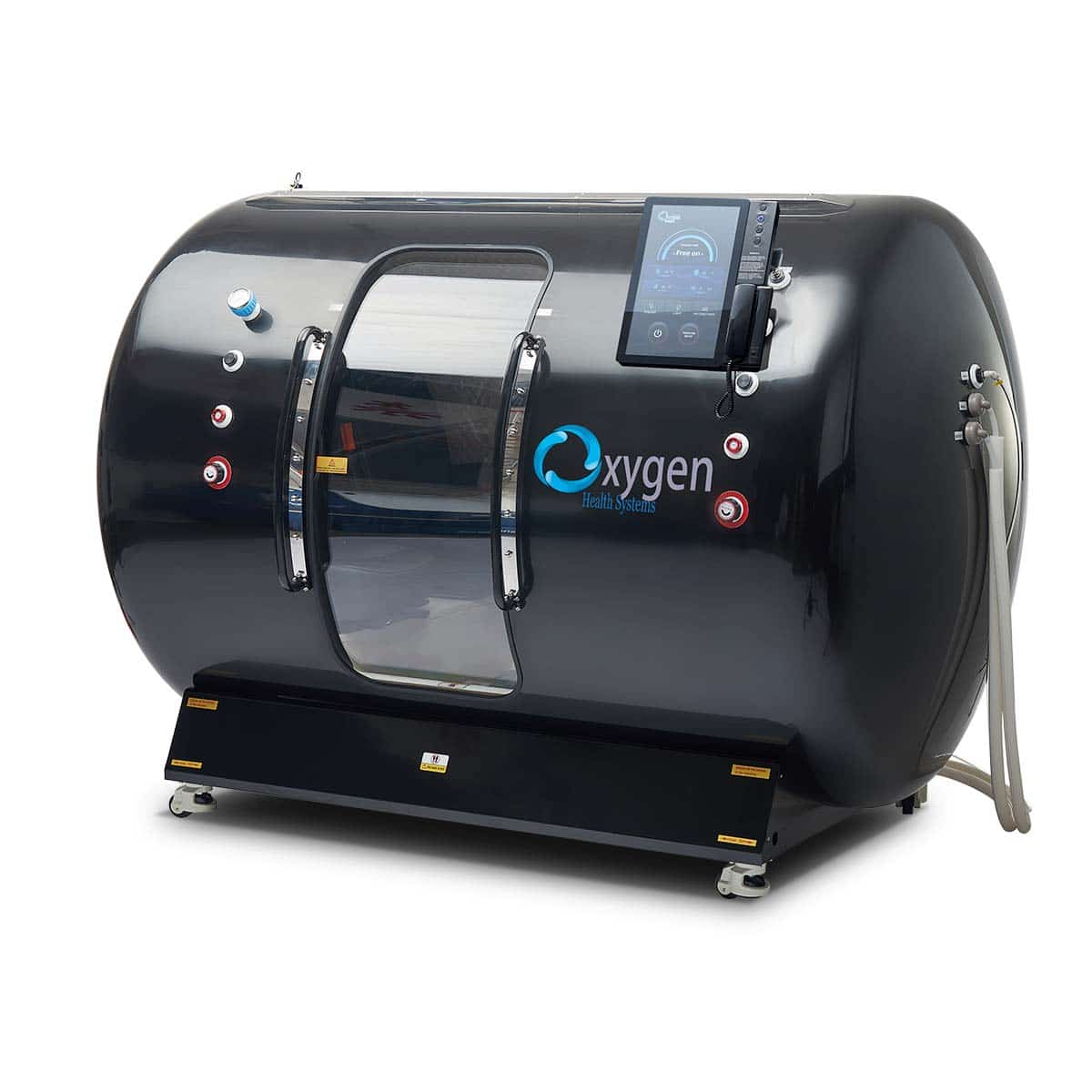
Hygiene is the first line of defense in maintaining any wellness equipment, especially devices that create a warm, enclosed environment. When looking at Soft vs. Hard Shell Chambers, the cleaning process varies significantly in both time and complexity. Hard-shell chambers usually feature smooth, non-porous surfaces like polished acrylic windows and painted metal or fiberglass interiors. These surfaces are chemically resistant and incredibly easy to wipe down with medical-grade disinfectants between sessions. The rigidity allows for vigorous scrubbing without fear of damaging the structure, making the sanitation turnover rapid, effective, and reassuring for germ-conscious users.
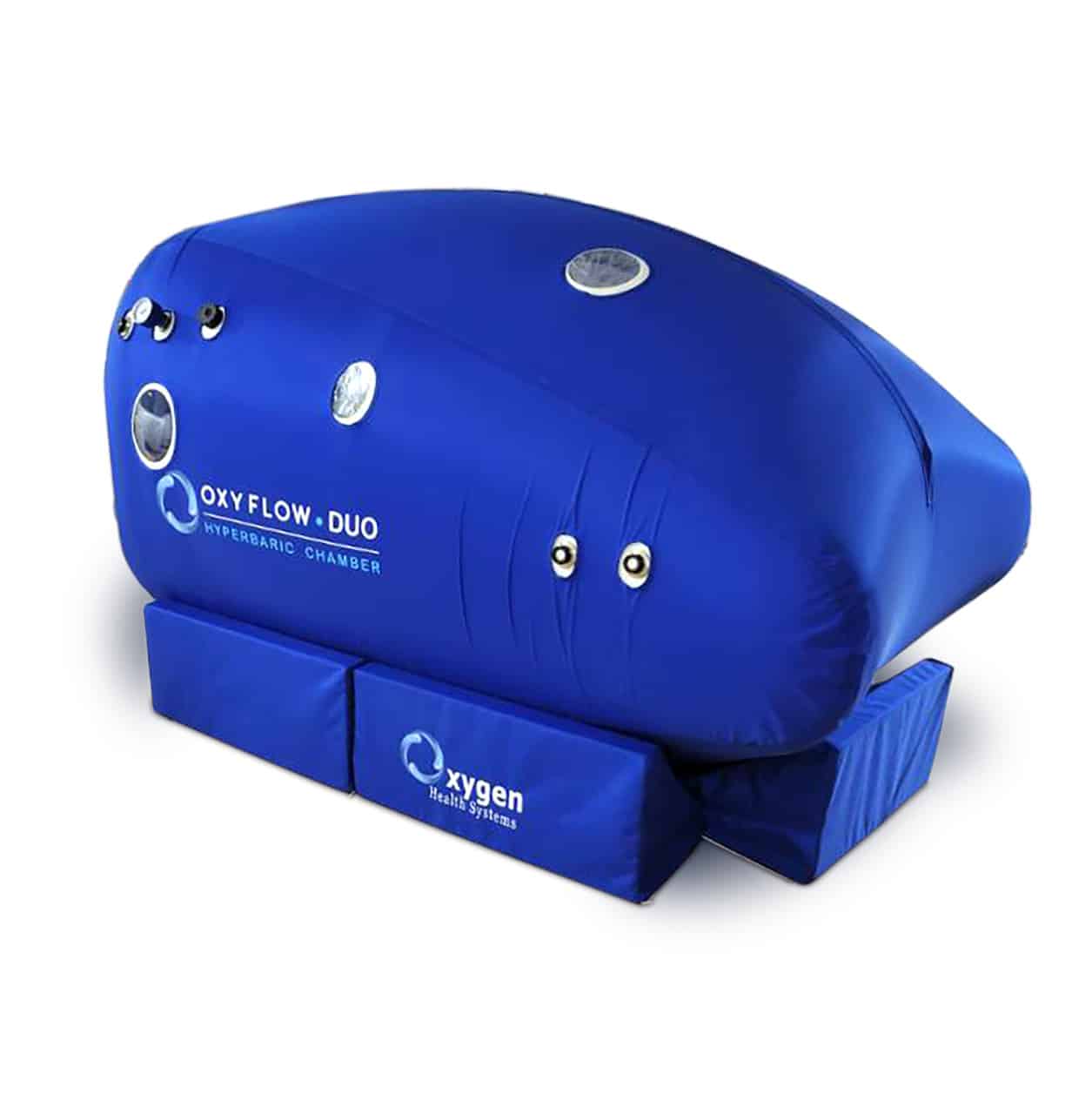
Conversely, soft-shell chambers present more challenges due to their construction materials. The thermoplastic polyurethane (TPU) or nylon-bonded materials can harbor bacteria, sweat, and odors in the microscopic texture of the fabric or the seams if not cleaned meticulously. In the debate of Soft vs. Hard Shell Chambers, the soft versions require gentler, non-corrosive cleaners (often mild soap and water) to prevent the fabric from chemically degrading, delaminating, or becoming brittle over time. Harsh chemicals like bleach or high-concentration alcohol can ruin the flexibility of the bladder.
Additionally, drying is a major factor. After cleaning a soft shell, it must be thoroughly dried before being stored or zipped up to prevent mold growth, which can permanently ruin the chamber. Hard shells can be wiped dry instantly. This difference in "downtime" for cleaning is a crucial logistical consideration for anyone planning to use the chamber multiple times a day.
Soft vs. Hard Shell Chambers Durability And Wear And Tear Factors
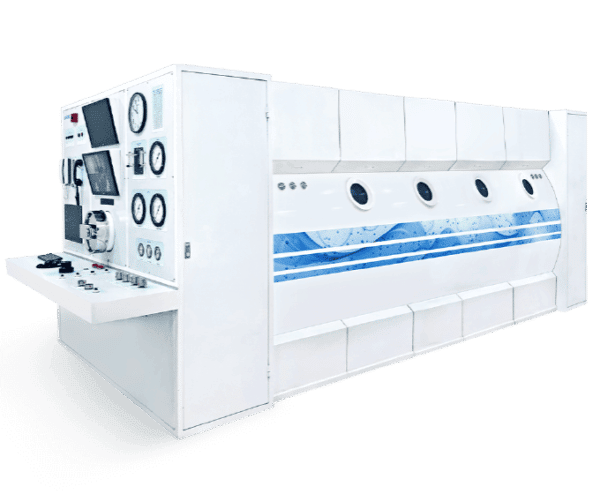
Longevity is a major concern for any equipment owner expecting a return on investment. The structural differences between Soft vs. Hard Shell Chambers lead to distinct wear patterns and lifespans. Hard-shell chambers are essentially built like submarines or tanks; they are engineered to withstand pressures far exceeding their operating limits and are designed to last for decades. The main wear points are the rubber O-ring gaskets on the doors, which are inexpensive and easily replaced every few years. Unless the acrylic window is deeply scratched through negligence, a hard shell does not "wear out" in the traditional sense, maintaining its functionality exceptionally well.
Soft-shell chambers, however, have a finite lifespan defined by the number of pressurization cycles. The fabric bladder expands and contracts with every single use, which eventually leads to material fatigue, similar to bending a wire back and forth. When evaluating Soft vs. Hard Shell Chambers, one must consider that the zippers on soft units are high-stress mechanical points. If a zipper tooth breaks or the track misaligns, the chamber cannot hold pressure and is rendered unusable. Therefore, maintaining a soft shell involves regular lubrication of the zippers and visually inspecting the seams for micro-tears or separation, a task that is virtually non-existent with hard-shell units.
Soft vs. Hard Shell Chambers Ease Of Sanitation For Clinical Use
For business owners running a wellness center, spa, or chiropractic office, time is literally money. The speed at which a unit can be sanitized and prepped for the next client determines the daily revenue potential. Analyzing Soft vs. Hard Shell Chambers from a commercial standpoint reveals that hard shells are generally superior for clinical settings purely based on sanitation speed and perception. A technician can spray and wipe the interior of a hard shell in two minutes. There are fewer crevices for lint, hair, dead skin cells, or moisture to get trapped, ensuring a sterile-feeling environment for patients, particularly those with compromised immune systems.
Soft shells often require the user to lie on a mattress on the floor of the chamber. Bedding must be changed, and the interior fabric must be wiped down, which can be physically awkward for staff due to the smaller entry points and the need to crawl inside to reach the far ends. In the context of Soft vs. Hard Shell Chambers, the soft option demands more physical effort and time from the staff to clean thoroughly. If a clinic chooses soft shells to save on upfront costs, they often need to budget extra time between appointments (15-20 minutes) to ensure hygiene standards are met without degrading the porous materials or leaving the next client with a damp chamber.
Soft vs. Hard Shell Chambers Repair Costs And Spare Part Availability
No machine runs perfectly forever, and eventually, maintenance turns into repair. The comparison of Soft vs. Hard Shell Chambers shows a sharp divergence in repair philosophy. Hard-shell chambers use industrial components—brass valves, analogue gauges, and standard hydraulic seals—that are often standardized or easily sourced from industrial suppliers. Replacing a relief valve on a hard shell is a mechanical task that can often be done with a wrench without shipping the entire unit away. The modular nature of hard shells makes them easier to service in the field by a general technician.
Soft-shell chambers are more integrated and proprietary. If a seam bursts or a window weld fails, the entire bladder often needs to be replaced or shipped back to the manufacturer for specialized heat sealing, as you cannot simply "patch" a high-pressure vessel safely with store-bought glue. This can result in significant downtime of weeks or months. When weighing Soft vs. Hard Shell Chambers, consider that while a soft shell is cheaper to buy, a catastrophic failure of the main vessel can be nearly as expensive as buying a new one, whereas a hard shell can usually be repaired component by component indefinitely.
Soft vs. Hard Shell Chambers Considerations For Zipper Versus Door Maintenance
The entry mechanism is the most frequently operated part of the system and the most critical for safety. Hard shells typically use a latch-free pressure-sealing door or a simple mechanical latch. Maintenance involves keeping the hinges lubricated with silicone grease and keeping the O-ring clean of dust and hair. It is low-maintenance, intuitive, and highly reliable. In the Soft vs. Hard Shell Chambers discussion, the door mechanism of the hard shell is the clear winner for durability and ease of use.
Soft shells rely on a redundant zipper system—usually an airtight inner zipper and a heavy-duty structural outer zipper, sometimes combined with buckles. These zippers are under immense tension during inflation. Maintenance requires applying specialized zipper wax or silicone spray regularly (often weekly). Failure to do so results in leaks, stuck zippers, or difficult operation. Users comparing Soft vs. Hard Shell Chambers must be willing to perform this ritual on a soft shell to prevent being locked out—or worse, the anxiety of struggling to unzip the device to get out.
Soft vs. Hard Shell Chambers Storage And Environmental Control Needs
Where you keep your chamber affects its maintenance schedule and lifespan. Soft shells are essentially made of advanced plastics, which are sensitive to UV light and temperature fluctuations. Leaving a soft shell in direct sunlight (even through a window) can degrade the polymers, leading to discoloration, brittleness, and premature failure. In the context of Soft vs. Hard Shell Chambers, soft units require a climate-controlled environment to prevent the material from becoming sticky (hydrolysis) or cracking. They must be stored carefully if deflated; folding them too tightly can crease the plastic windows, creating permanent foggy lines that impair visibility.
Hard shells are far more resilient to environmental factors. While they should still be kept indoors to protect the electronics, the steel, aluminum, and thick acrylic are less likely to suffer from ambient temperature changes or incidental UV exposure. When deciding between Soft vs. Hard Shell Chambers, consider your space. If you plan to move the unit frequently or store it seasonally, the soft shell is portable but fragile, while the hard shell is permanent but robust against the elements.
Soft vs. Hard Shell Chambers Oxygen Concentrator Compatibility And Care
Both systems rely on external oxygen concentrators and compressors to function. While not part of the chamber vessel itself, this peripheral equipment is vital and requires its own maintenance (filter changes, sieve bed replacements). Interestingly, the type of chamber can dictate the strain on these machines. Soft vs. Hard Shell Chambers operate at different pressures (typically 1.3 ATA for soft and 1.5+ ATA for hard). Hard shells often require more powerful, higher-PSI compressors to reach pressure, which may require more frequent servicing of the compressor filters and cooling fans due to the heat generated.
However, soft shells often use a "constant flow" system where fresh air is pumped in and stale air constantly escapes through relief valves to maintain ventilation and cool the occupant. This means the compressor runs non-stop at high capacity for the entire session. In the Soft vs. Hard Shell Chambers analysis, this constant thermal load can wear out smaller, cheaper compressors faster than the "pressurize and hold" systems sometimes found in sophisticated hard shell setups (though many hard shells also circulate air). Regardless of the choice, maintaining clean intake filters on the compressor is non-negotiable for both to prevent overheating.
Soft vs. Hard Shell Chambers Window Clarity and Visual Maintenance
The visual experience inside the chamber is crucial for preventing claustrophobia. The windows in hard-shell chambers are made of thick, optical-grade acrylic. While durable, they can be scratched by rings, watches, or abrasive cleaners. Maintenance involves using specific acrylic polishes to keep them crystal clear. If scratched, they can often be buffed out. This maintainability is a key point in the Soft vs. Hard Shell Chambers comparison for those who value a clear view.
Soft-shell chambers use flexible PVC or TPU windows. Over time, these materials can naturally yellow or become cloudy due to oxidation and interaction with cleaning agents. Unlike acrylic, flexible windows cannot be polished or buffed. Once they fog or yellow, the visibility is permanently reduced. Owners of soft shells must be extremely careful to use only approved cleaners to delay this aging process. This degradation of the viewports is often an overlooked aspect of the long-term Soft vs. Hard Shell Chambers ownership experience.
Soft vs. Hard Shell Chambers Long Term Ownership And Resale Value
Finally, maintenance impacts the asset's financial liquidity. A well-maintained hard shell holds its value incredibly well. Because the materials do not degrade significantly, a five-year-old hard shell can look and function virtually like a new one. In the secondary market of Soft vs. Hard Shell Chambers, used hard shells are highly sought after by clinics looking to expand their capacity without full retail costs. The maintenance put into a hard shell pays dividends upon resale.
Soft shells depreciate faster because the fabric has a limited life cycle and buyers are wary of used hygiene products. Even with perfect maintenance, the material will eventually stretch, the windows will cloud, and the zippers will wear. Potential buyers of used equipment are often skeptical of used soft shells due to hygiene concerns (sweat in the fabric) and invisible seam fatigue. Therefore, the Soft vs. Hard Shell Chambers financial calculation should include the reality that a soft shell is largely a consumable asset with a 5-7 year horizon, while a hard shell is a durable capital asset that can serve for 15-20 years or more.
In conclusion, the choice involves balancing upfront costs with ongoing effort and long-term expectations. Soft vs. Hard Shell Chambers both require attention, but the hard shell offers a "wipe and go" convenience and durability that appeals to high-volume users and clinics, while the soft shell requires a "care, inspect, and protect" approach suitable for personal owners who can dedicate the time to zipper waxing and gentle cleaning. By understanding the distinct maintenance profiles of Soft vs. Hard Shell Chambers, you can ensure your path to wellness remains smooth, safe, and effective for the long haul.



0 Comments